You Won’t Believe What This Coastal Road Hides
Tucked along South Africa’s southeastern coast, the Garden Route isn’t just about forests, lakes, and ocean views—though those are stunning enough. What truly blew me away were the local specialty products at every turn: handcrafted rooibos treats, wild honey with a kick, and leather goods made from sustainable sources. I never expected a road trip to become a sensory journey. From quirky farm stalls to boutique producers, this stretch delivers authenticity you can taste, touch, and take home. More than a scenic drive, the Garden Route reveals a living culture rooted in craftsmanship, nature, and community. It’s a place where every jar of honey, every woven basket, and every sip of herbal tea tells a story of land and people in harmony.
Introduction to the Garden Route: More Than Just Scenery
Stretching approximately 300 kilometers from Mossel Bay to Storms River, the Garden Route is one of South Africa’s most celebrated scenic drives. Framed by the Indian Ocean on one side and the Outeniqua and Tsitsikamma mountain ranges on the other, this coastal corridor is renowned for its dramatic cliffs, ancient forests, and tranquil lagoons. For decades, travelers have flocked here for the breathtaking landscapes, drawn to national parks, hiking trails, and seaside towns. Yet beyond the postcard views lies a quieter, deeper layer of travel magic—the local specialty products that flourish in this fertile region.
What sets the Garden Route apart is not only its natural beauty but also its thriving network of small-scale producers. These artisans and farmers draw directly from the region’s rich biodiversity and cultural heritage, transforming local ingredients into handcrafted goods. From the misty highlands where rooibos grows to the coastal wetlands that sustain wild bees, the environment shapes what is made and sold. Travelers who take the time to explore beyond the viewpoints often discover that the most memorable souvenirs aren’t mass-produced trinkets, but real, tangible expressions of place—foods, crafts, and beverages that carry the essence of the region.
This blend of nature, tradition, and craftsmanship turns a simple road trip into a journey of discovery. It invites visitors to slow down, engage with local communities, and take home more than photographs. The Garden Route’s true charm lies in these authentic interactions, where a conversation at a farm stall or a sample at a distillery becomes a meaningful connection. In a world where travel often feels rushed and commercialized, this coastal stretch offers a refreshing alternative—travel that is sensory, sustainable, and deeply personal.
What Makes a Product “Specialty” Here?
In the context of the Garden Route, a “specialty product” is more than just something local—it’s an item crafted with intention, rooted in the region’s unique ecology and cultural identity. These products are typically small-batch, made by hand, and sourced from nearby land or sea. They often use indigenous ingredients like fynbos, rooibos, Cape honeybush, or wild herbs that cannot be easily replicated elsewhere. What defines them is not just flavor or design, but the story behind their creation—the farmer who tends the soil, the artisan who shapes clay by hand, or the beekeeper who harvests honey from remote forest hives.
The region’s biodiversity plays a crucial role in shaping these specialties. The fynbos biome, one of the world’s six floral kingdoms, covers much of the Western and Eastern Cape and supports over 9,000 plant species, many found nowhere else on Earth. This botanical richness translates directly into the taste and aroma of local foods and beverages. Rooibos, for example, grows almost exclusively in the Cederberg region but is widely used along the Garden Route in teas, desserts, and skincare. Its naturally sweet, earthy flavor and antioxidant properties have made it a staple of regional wellness culture.
Sustainability and cultural significance further distinguish these products. Many artisans work with traditional methods passed down through generations, whether it’s basket weaving using indigenous reeds or fermenting dairy into tangy, farmhouse-style cheeses. Others are innovators, blending age-old knowledge with modern techniques to create something new—like craft gin distilled with buchu, a pungent medicinal herb used by the Khoisan people for centuries. These items are not merely commodities; they are expressions of identity, resilience, and respect for the environment.
When travelers seek out such products, they participate in a form of experiential tourism that values quality over quantity. A jar of wild honey isn’t just a sweetener—it’s a taste of untouched heathland. A hand-stitched leather bag isn’t just fashion—it’s a nod to ethical production and skilled craftsmanship. In this way, specialty goods become ambassadors of place, inviting deeper understanding and appreciation for the Garden Route’s living culture.
Must-Try Food & Drink: From Farm to Roadside Stall
One of the greatest pleasures of traveling the Garden Route is the abundance of fresh, locally made foods available at every turn. Unlike generic supermarket fare, these edibles offer bold flavors shaped by the region’s soil, climate, and traditions. Among the most iconic is artisanal biltong—a dried, spiced meat snack that varies in texture and taste depending on the cut and curing method. Unlike mass-produced versions, small-batch biltong is often air-dried naturally and seasoned with coriander, black pepper, and a touch of vinegar, resulting in a rich, savory bite that pairs perfectly with a glass of local wine.
Another standout is craft gin infused with indigenous botanicals. Over the past decade, micro-distilleries have flourished along the route, drawing inspiration from the surrounding fynbos. Distillers use plants like buchu, citrus leaf, and honeybush to create complex, aromatic spirits that reflect the terroir. These gins are often available for tasting at farm-based distilleries, where visitors can learn about the distillation process and even watch the copper stills in action. Paired with tonic and a sprig of fresh rosemary, they offer a truly South African drinking experience.
Seafood lovers should not miss the fresh oysters from Knysna, harvested from the town’s sheltered lagoon. Known for their creamy texture and briny sweetness, Knysna oysters are best enjoyed raw on the half shell, served with a squeeze of lemon and a dash of mignonette. They are available at waterfront restaurants and seasonal oyster festivals, but also at local fish markets where travelers can buy them by the dozen. Equally delightful are the dairy products found at farm gates—creamy goat cheeses, thick yogurt, and butter made from pasture-fed cows, each with a distinct flavor shaped by the animals’ diet and the cool coastal air.
For those with a sweet tooth, homemade jams and preserves are a must. Made in small copper pots, often using fruit grown on-site, these spreads feature flavors like wild plum, fig, and tart Cape gooseberry. Some include rooibos or honey for added depth, creating a uniquely regional twist. Whether spread on fresh bread at a roadside café or taken home as a gift, these preserves capture the essence of the Garden Route’s agricultural abundance. The key to finding the best options is to follow the rhythm of local life—visit weekend farmers’ markets, stop at working farms, and ask questions. The people who make these goods are often happy to share their process, and their pride is evident in every bite.
Handmade Treasures: Craft Markets and Artisan Workshops
While food and drink engage the palate, the handmade crafts of the Garden Route speak to the soul. In towns like Plettenberg Bay, Knysna, and Mossel Bay, local artisans gather at weekly markets to showcase their work—woven baskets, hand-thrown pottery, carved wooden bowls, and beaded jewelry. These items are not mass-produced souvenirs but carefully made pieces that reflect centuries of cultural knowledge and artistic expression. Many draw from the traditions of the Khoisan and Xhosa peoples, whose craftsmanship has long been shaped by the natural materials available in the region.
Basket weaving, in particular, is a revered craft. Artisans use reeds, grasses, and palm fibers, often dyed with natural pigments from plants and roots. The patterns vary—some are geometric, others symbolic—each design carrying meaning tied to identity, history, or the environment. These baskets are not only beautiful but functional, used for storage, carrying goods, or as decorative centerpieces. When purchased directly from the maker, they come with stories—of harvest seasons, family traditions, and the hours of meticulous handwork involved.
Pottery is another standout. Local studios produce glazed mugs, serving platters, and vases with earthy tones and organic shapes that echo the landscape. Some potters fire their work in wood-burning kilns, adding a subtle smokiness to the finish. Visitors can often watch demonstrations or even try their hand at the wheel during workshops. Similarly, wood carvers transform sustainably sourced timber into spoons, bowls, and figurines, each piece revealing the grain and character of the wood. These objects feel alive, shaped by both nature and human touch.
Shopping at craft markets is more than a transaction—it’s an opportunity for connection. Many artisans welcome conversation, offering insights into their techniques and inspirations. Travelers are encouraged to listen, appreciate, and buy with intention. Respecting cultural context is essential: understanding the significance of certain symbols, avoiding haggling in inappropriate settings, and recognizing that these items are not just decorative but often carry deep meaning. By supporting local makers, visitors contribute to the preservation of traditional skills and help sustain rural livelihoods.
The Magic of Farm Stalls: Unexpected Flavors Along the Way
One of the most delightful aspects of driving the Garden Route is the proliferation of farm stalls tucked between forest and farmland. These unassuming roadside stops—often little more than a thatched roof and a wooden counter—offer some of the region’s most authentic flavors. They are run by families who grow, raise, or make everything on-site, from sun-ripened tomatoes to homemade chutneys and lavender-scented soaps. There’s a spontaneity to these encounters; a stop for water might turn into a tasting of goat cheese and apricot jam, followed by a conversation with the farmer’s wife.
What makes farm stalls special is their seasonality and locality. The produce changes with the months—plums in late summer, citrus in winter, asparagus in spring. Jams are made in small batches when fruit is at its peak, ensuring freshness and depth of flavor. Many stalls also offer ready-to-eat treats: warm muffins, grilled corn, or coffee brewed from locally roasted beans. Some have picnic areas shaded by trees, inviting travelers to linger and enjoy their purchases on the spot.
These stalls are more than retail points—they are engines of the local economy. By selling directly to consumers, farmers bypass middlemen and retain more of the profit, allowing them to reinvest in sustainable practices. Many use organic methods, rotate crops to preserve soil health, and raise animals humanely. Some integrate conservation into their operations, maintaining corridors for wildlife or restoring indigenous vegetation. When travelers buy from these stalls, they support not just a business but a way of life rooted in care for the land.
Practical tips enhance the experience. Cash is often preferred, especially at smaller stalls, so keeping small bills handy is wise. Hours can be irregular—some open only on weekends or during harvest season—so checking regional tourism websites or asking at accommodations helps avoid disappointment. Above all, an open mind is the best tool. The best discoveries are often unplanned: a jar of honey infused with wild thyme, a bar of chocolate made with local rooibos, or a bundle of fresh basil tied with twine. These small moments of surprise are what make the journey unforgettable.
Sustainable Choices: Ethical Products That Give Back
In recent years, a growing number of producers along the Garden Route have embraced sustainability as a core value. Their products are not only high-quality but also designed to minimize environmental impact and support social good. This shift reflects a broader awareness among travelers, who increasingly seek out purchases that align with their values. From fair-trade textiles to conservancy-linked crafts, ethical shopping has become an integral part of the Garden Route experience.
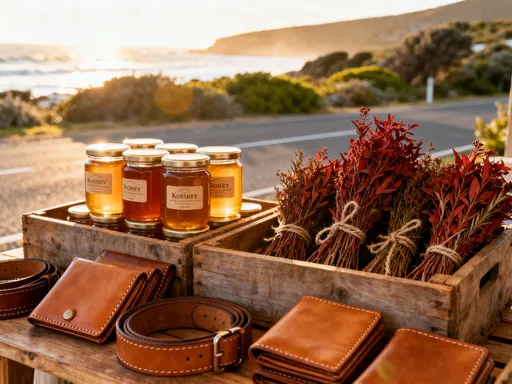
One notable example is the rise of eco-conscious leather goods made from sustainably sourced hides. Some producers partner with game reserves or farms that practice responsible land management, ensuring that animal husbandry does not harm ecosystems. The leather is tanned using vegetable-based methods, avoiding the toxic chemicals common in industrial processing. The result is durable, beautiful products—wallets, bags, belts—that age gracefully and carry a story of environmental stewardship.
Another trend is the use of upcycled materials. Artisans transform discarded items—old denim, scrap metal, reclaimed wood—into functional art. A bracelet might be made from repurposed circuit boards, a lamp from recycled glass. These creations reduce waste and celebrate creativity, turning what was once trash into something treasured. Some cooperatives employ women from nearby communities, providing fair wages and skills training. In this way, each purchase contributes to both environmental and social upliftment.
Perhaps most impactful are products linked to conservation efforts. Certain craft shops sell items where a portion of proceeds funds wildlife protection or habitat restoration. Others collaborate with local conservancies, selling maps, books, or artwork that educate visitors about the region’s biodiversity. Buying a hand-carved bird figurine might help fund anti-poaching patrols; purchasing a native plant from a nursery could support reforestation. These small acts of mindful consumption add up, creating a ripple effect that benefits both people and nature.
Travelers are encouraged to look for signs of authenticity—handwritten labels, transparent sourcing, personal stories from makers. While certifications like Fair Trade or organic are helpful, the most telling sign is often the connection between producer and product. When someone speaks passionately about their work, when they invite you to see the workshop or meet the animals, that’s when you know you’re engaging with something real. Ethical consumption isn’t about perfection—it’s about intention. And on the Garden Route, that intention is alive in every thoughtful choice.
How to Find the Best Local Products (Without Getting Lost)
Navigating the Garden Route’s wealth of local products can feel overwhelming, especially for first-time visitors. The key is to plan with flexibility—balancing research with room for spontaneity. One of the most effective strategies is to align travel dates with weekly markets. Towns like George, Wilderness, and Plettenberg Bay host vibrant Saturday markets where farmers, bakers, and artisans gather. These events are not only shopping destinations but social hubs, offering live music, food trucks, and a chance to mingle with locals.
Regional tourism maps and visitor centers are invaluable resources. Many provide brochures highlighting farm routes, craft trails, and self-drive itineraries focused on local producers. Some even offer digital guides with GPS coordinates and opening hours. These tools help travelers locate hidden gems—like a lavender farm near Heidelberg or a cheese maker in the Langkloof Valley—without relying solely on online reviews or algorithms. Asking for recommendations at guesthouses or restaurants often yields the best results; staff usually have personal favorites and insider knowledge.
Driving the route at a relaxed pace allows for impromptu stops. Rushing from one landmark to the next means missing the subtle signs of authenticity—a hand-painted sign for “fresh eggs,” a stall with a dog napping in the shade, a cluster of bicycles outside a pottery studio. These cues often lead to the most memorable experiences. Equally important is learning to recognize tourist traps: shops selling imported goods labeled as “local,” overpriced curios with no cultural connection, or branded outlets with no link to the region. Authenticity usually feels humble, not polished.
Engaging with producers directly enhances the experience. Whether it’s tasting honey at a beekeeper’s shed or watching a potter shape clay, these interactions deepen appreciation. Many artisans welcome visitors by appointment, offering tours or workshops. Booking ahead ensures access and shows respect for their time. Ultimately, the best way to discover the Garden Route’s treasures is with curiosity and respect—approaching each stop not as a consumer, but as a guest in a living, breathing culture.
Conclusion: Take Home More Than Photos
The Garden Route offers more than scenic vistas and outdoor adventures—it invites travelers to connect with place through the senses. The specialty products found along this coastal road are not mere souvenirs; they are vessels of memory, culture, and care. Each jar of honey, each handwoven basket, each sip of fynbos gin carries the imprint of the land and the hands that shaped it. They are reminders of conversations had, flavors discovered, and moments of quiet wonder.
In a world where travel can feel fleeting and superficial, these tangible items ground the experience. They transform a journey into a story that continues long after the trip ends. A spoon carved from indigenous wood becomes a daily ritual; a bar of rooibos soap, a sensory echo of the coast. When we choose to buy thoughtfully—from farmers, artisans, and ethical producers—we do more than acquire objects. We support sustainable livelihoods, preserve traditions, and honor the ecosystems that make such abundance possible.
The true magic of the Garden Route lies in its ability to slow us down, to awaken our senses, and to reconnect us with the rhythms of nature and community. It reminds us that the best souvenirs are not bought in malls but discovered in moments of genuine exchange. So take your time. Talk to the people. Taste the food. Touch the crafts. And when you return home, let your purchases tell the story of a place that welcomed you not just as a visitor, but as a participant in its living culture. The road may end, but the memories—wrapped in flavor, texture, and meaning—will last a lifetime.