Taste of Kyoto: A Local Food Journey You Can’t Miss
Ever wondered what makes Kyoto’s food scene truly special? It’s not just about sushi or ramen — it’s the quiet alleys, morning markets, and generations-old kitchens. I walked through historic streets, tasted dishes bursting with tradition, and discovered flavors that textbooks can’t capture. This is more than a meal — it’s a cultural embrace. Let me take you where tourists rarely go, but where every bite tells a story. Kyoto’s cuisine is a quiet masterpiece, shaped by centuries of reverence for nature, seasonality, and craftsmanship. More than just sustenance, it is an expression of harmony, balance, and deep-rooted respect for ingredients. In this journey, we’ll explore the soul of Kyoto through its food — from bustling morning markets to serene tea ceremonies, from family-run eateries to seasonal delicacies that mark the turning of the year.
Why Kyoto’s Cuisine Stands Apart
Kyoto’s culinary identity is unlike any other in Japan. As the former imperial capital for over a thousand years, the city cultivated a refined food culture rooted in aesthetics, ritual, and mindfulness. Unlike coastal cities that rely on fresh seafood, Kyoto is landlocked, which historically required innovative preservation methods. This necessity gave rise to a rich tradition of pickling, fermenting, and drying — techniques that are still celebrated today. Takuan (yellow daikon radish), shibazuke (purple cucumber and eggplant pickles), and miso-preserved vegetables are not mere side dishes but essential elements of daily meals, offering bursts of umami and acidity that awaken the palate.
The influence of Zen Buddhism has also profoundly shaped Kyoto’s food. Shojin ryori, the vegetarian cuisine developed in temple kitchens, emphasizes simplicity, balance, and seasonal awareness. Without meat or strong flavors like garlic and onion, chefs rely on subtle textures, delicate broths, and the natural sweetness of vegetables to create depth. This philosophy extends beyond religious practice into everyday cooking, where restraint and elegance are valued over excess. Every dish is composed with intention, reflecting the belief that food should nourish both body and spirit.
One of the most distinctive aspects of Kyoto’s cuisine is its deep connection to seasonality, known as shun. Ingredients are used at the peak of freshness, and menus change with the calendar. Spring brings bamboo shoots and cherry blossom-infused sweets; summer offers light, cooling dishes like hiyayakko (chilled tofu); autumn highlights wild mushrooms and sweet chestnuts; winter warms the soul with hearty nabe (hot pot) and root vegetables. This rhythm is not arbitrary — it is a way of living in tune with nature, a principle embedded in Japanese aesthetics and daily life.
Perhaps the most refined expression of Kyoto’s culinary art is kaiseki, a multi-course dining experience that evolved from tea ceremony meals. Kaiseki is not just about taste — it is a sensory journey that engages sight, smell, touch, and even sound. Each dish is meticulously plated, often using seasonal motifs or natural materials like leaves and flowers. The progression of courses follows a careful structure: a delicate appetizer, sashimi, grilled fish, simmered vegetables, soup, rice, and pickles. The meal concludes with a small sweet, a final nod to balance. Kaiseki is not merely a feast — it is a meditation on time, place, and presence.
Must-Try Dishes Beyond Sushi and Ramen
While sushi and ramen have become global ambassadors of Japanese cuisine, Kyoto offers a deeper, more intimate culinary experience. One of the most iconic local dishes is yudofu — gently simmered tofu served in a clear kombu broth. Simple in appearance but profound in flavor, yudofu is often enjoyed in temple-side restaurants during colder months. The tofu, made from locally sourced soybeans, has a silky texture that melts on the tongue. It is typically accompanied by a light dipping sauce and pickled vegetables, allowing the purity of the ingredient to shine.
Another cornerstone of Kyoto’s food culture is obanzai, a style of home cooking passed down through generations. These are not restaurant creations but everyday meals prepared with care and resourcefulness. Dishes like nimono (simmered vegetables), grilled mackerel, and miso-glazed eggplant reflect a philosophy of using what is available and minimizing waste. Obanzai restaurants, often small and unassuming, offer set menus that change daily based on market availability. Dining at one feels like being welcomed into a Kyoto household — warm, unpretentious, and deeply satisfying.
No visit to Kyoto is complete without indulging in its confectionery traditions. Kyo-wagashi are exquisite handmade sweets that accompany tea ceremonies and seasonal celebrations. Crafted from ingredients like red bean paste, mochi, and agar, they are shaped to resemble flowers, leaves, or other natural forms. A skilled wagashi artisan can capture the essence of a season in a single bite — a cherry blossom in spring, a maple leaf in autumn. These sweets are not overly sweet; their charm lies in their subtlety and visual poetry.
Matcha, the vibrant green tea for which Kyoto is renowned, also plays a starring role in the city’s desserts. From matcha parfaits to matcha mochi and matcha-flavored dorayaki, the earthy bitterness of the tea balances the sweetness of the confections. Uji, a district just south of Kyoto, is particularly famous for its high-quality matcha, grown in shaded fields that enhance its color and flavor. Visitors can sample freshly whisked matcha in traditional tea houses or take home powdered tea as a lasting memory of their journey.
Morning Markets: The Heartbeat of Local Flavor
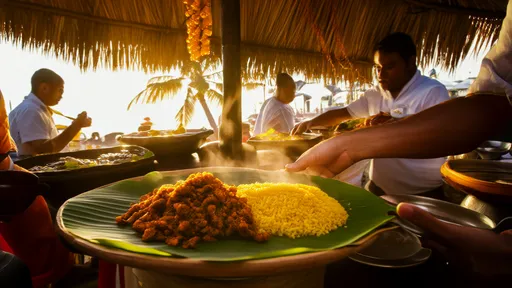
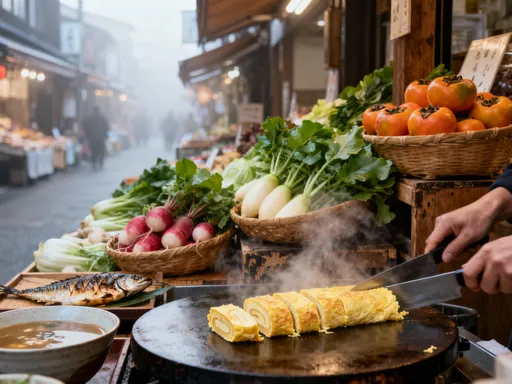
If you want to experience the pulse of Kyoto’s food culture, start your day at Nishiki Market. Known as “Kyoto’s Kitchen,” this covered arcade stretches over 390 meters and houses more than 100 shops and stalls. From dawn until early afternoon, the market buzzes with activity — vendors arrange glistening fish, baskets of seasonal produce, and rows of colorful pickles. The air is rich with the scent of roasting tea, grilled mochi, and simmering dashi. This is not a tourist spectacle but a living marketplace where locals shop for their daily meals.
Walking through Nishiki is a feast for the senses. One stall displays rows of handmade konpeito, tiny sugar candies that dissolve slowly on the tongue. Another offers fresh tamagoyaki, a sweet rolled omelet cooked to golden perfection. Seafood lovers can sample amaebi (sweet shrimp), uni (sea urchin), or even fugu (blowfish), though the latter is served only in licensed establishments. For those curious about Japanese fermentation, there are endless varieties of miso, soy sauce, and tsukemono (pickles), each with its own regional variation and flavor profile.
While Nishiki is the most famous, smaller neighborhood markets offer an even more authentic glimpse into daily life. Early risers might visit the morning market near Toji Temple or the one adjacent to Kyoto’s central wholesale market. These spaces are less crowded, allowing for relaxed browsing and conversation with vendors. Many older residents come here not just to shop but to exchange greetings and news — food is a social thread that connects the community.
Timing is essential when visiting these markets. Most vendors open around 9 a.m. and begin to close by 5 or 6 p.m., with some shutting down earlier if their stock runs out. The best experience comes in the late morning, when the initial rush has settled but the produce is still fresh. Visitors are encouraged to observe quietly, ask permission before taking photos, and show appreciation when sampling offerings. A simple “arigatou gozaimasu” (thank you) goes a long way in building rapport and showing respect for the culture.
Hidden Eateries and Off-the-Beaten-Path Gems
While guidebooks highlight famous restaurants, some of Kyoto’s most memorable meals happen in unmarked doors and narrow alleyways. These hidden eateries — often family-run and passed down through generations — are where tradition lives most authentically. You won’t find them with flashy signs or online reservations. Instead, they reveal themselves through subtle cues: a line of regulars waiting outside, the sound of sizzling grills from within, or the warm glow of paper lanterns in the evening.
One such place might be a tiny counter serving handmade soba noodles, freshly ground from buckwheat and served with a chilled dipping sauce. The chef, often the owner, works silently behind the counter, moving with precision and calm. Diners sit elbow to elbow, slurping noodles in quiet appreciation. Another gem could be a lunch counter tucked behind a shrine, offering a daily obanzai set with rice, soup, and five seasonal dishes for a modest price. These meals are not about spectacle — they are about consistency, quality, and care.
Tea houses located within temple grounds also offer unique dining experiences. Some serve shojin ryori in serene garden settings, where the sound of water and rustling leaves accompany each bite. These meals are often reserved for visitors who participate in meditation or tea ceremonies, making them feel like a privilege rather than a transaction. The pace is slow, the atmosphere contemplative — a reminder that eating can be an act of mindfulness.
Finding these places requires curiosity and patience. Rather than relying solely on apps or maps, travelers are encouraged to wander without a fixed destination, observe where locals eat, and strike up conversations with shopkeepers or inn staff. A simple question — “Where do you like to eat?” — can lead to unexpected discoveries. These hidden spots may not have English menus or websites, but many owners appreciate sincere interest and will do their best to accommodate guests with gestures, smiles, and shared humanity.
The Role of Tea in Kyoto’s Food Culture
Tea is not just a beverage in Kyoto — it is a way of life. The city’s relationship with tea dates back to the 12th century, when Buddhist monks brought tea seeds from China and began cultivating them in the shaded hills of Uji. Today, Uji remains one of Japan’s most prestigious tea-producing regions, known for its smooth, umami-rich matcha and sencha. The quality of Kyoto’s tea is unmatched, thanks to careful shading of tea plants, precise harvesting times, and traditional processing methods.
Matcha, in particular, holds a sacred place in Kyoto’s culture. It is central to the Japanese tea ceremony, a ritualized practice that emphasizes harmony, respect, purity, and tranquility. The preparation of matcha is a slow, deliberate act — the powder is sifted, hot water added, and the mixture whisked with a bamboo chasen until frothy. Every movement is intentional, every object chosen with care. Participating in a tea ceremony is not about drinking tea quickly but about being present in the moment.
Yet matcha’s influence extends far beyond the tea room. It flavors savory dishes like matcha soba noodles, adds depth to sauces, and transforms desserts into works of art. A single scoop of matcha ice cream from a Kyoto shop offers a more intense, complex experience than its mass-produced counterparts. The bitterness is balanced by natural sweetness, creating a flavor that lingers and invites reflection.
Tea also plays a functional role in meals. In kaiseki dining, a small bowl of green tea is often served between courses to cleanse the palate. Its astringency cuts through rich flavors, preparing the tongue for the next dish. This integration of tea into the dining experience reflects a holistic view of food — not as isolated components but as parts of a greater rhythm. For visitors, embracing tea is a way to slow down, savor, and connect with Kyoto’s deeper values.
Seasonality and How It Shapes Your Plate
In Kyoto, the menu changes with the seasons — not as a trend, but as a way of life. Chefs do not choose ingredients based on availability alone but on their peak flavor, color, and symbolic meaning. This deep attunement to nature ensures that every meal feels timely and meaningful. Travelers who plan their visit around the seasons will find their experience enriched by dishes that reflect the world outside.
Spring is a time of renewal, and the cuisine follows suit. Dishes feature bamboo shoots, takenoko, which are prized for their crisp texture and earthy sweetness. Meals may be served on plates painted with cherry blossoms, and sweets are tinted pink to mirror the blooming trees. A spring kaiseki course might include a delicate sashimi arrangement shaped like a flower or a soup with yuzu citrus to lift the spirit.
Summer brings high humidity, so the cuisine turns to cooling, hydrating foods. Somen noodles, served chilled with a dipping sauce, are a popular choice. Dishes are lighter, with cucumbers, tomatoes, and white fish taking center stage. Even the presentation changes — plates may be made of cool metal or stone to enhance the sensation of refreshment. Matcha, with its natural cooling properties, becomes even more prominent in both drinks and desserts.
Autumn is perhaps the most celebrated season in Kyoto. The hills glow with red and gold, and the table overflows with wild mushrooms, sweet potatoes, and chestnuts. Matsutake mushrooms, with their distinctive pine aroma, are a prized ingredient, often grilled simply with salt to preserve their fragrance. Kaiseki meals in autumn may include dishes dyed with maple leaves or served in lacquerware that mirrors the season’s warmth.
Winter calls for warmth and comfort. Hot pots, or nabe, bring people together around steaming cauldrons filled with chicken, tofu, vegetables, and udon noodles. Yudofu becomes a staple, especially in temple towns. Desserts grow richer, with mochi grilled over open flames and served with sweet red bean paste. Even the tea changes — darker, roasted varieties like hojicha offer a soothing warmth on cold evenings.
Practical Tips for a Respectful and Delicious Experience
To fully appreciate Kyoto’s food culture, a few simple guidelines can enhance both enjoyment and respect. First, observe basic etiquette. Chopsticks should not be left upright in rice, as this resembles incense at funerals. When sharing dishes, use the opposite end of your chopsticks or provided serving utensils. Saying “itadakimasu” before eating and “gochisousama deshita” after finishing shows gratitude for the meal and those who prepared it.
When dining at counter restaurants, it’s common to order upon arrival and pay when leaving. Menus may be in Japanese, but many places have picture menus or samples in the window. Don’t hesitate to point or use simple phrases — most staff are used to international guests and will respond with patience. If unsure, ordering the daily special or set meal (teishoku) is a safe and satisfying choice.
Transportation in Kyoto is efficient and clean. Buses and subways connect major food destinations, but walking or cycling often reveals the best finds. Consider renting a bicycle to explore neighborhoods like Gion, Arashiyama, or Northern Higashiyama, where quiet lanes hide family-run shops and tea houses. Early mornings are ideal for market visits, while late afternoons offer softer light and fewer crowds.
To avoid tourist traps, look for places with local clientele, handwritten menus, or no English signage. High-end kaiseki restaurants require reservations, often weeks in advance, while smaller eateries may operate on a first-come, first-served basis. Supporting family-owned businesses and seasonal vendors contributes to the preservation of Kyoto’s culinary heritage.
Finally, approach your food journey with mindfulness. Eat slowly. Appreciate the presentation. Notice the changes in flavor from one season to the next. Let each meal be a moment of connection — to the land, the people, and the centuries of tradition that made it possible. Kyoto’s cuisine is not meant to be rushed. It is an invitation to pause, to savor, and to remember that the simplest things — a bowl of rice, a cup of tea, a piece of pickled vegetable — can carry the weight of history and the beauty of a culture that values harmony above all.