Soul, Sound, and Streets: New Orleans Like You’ve Never Felt Before
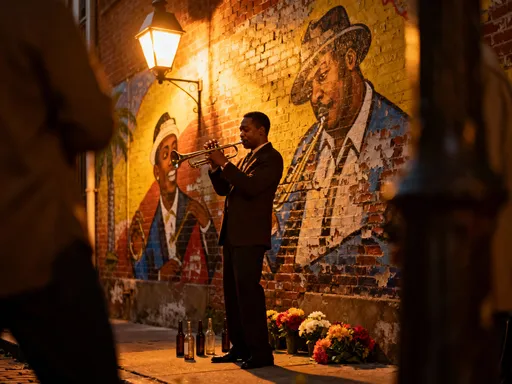
Walking through New Orleans, you don’t just see art—you feel it in the music spilling from dimly lit clubs, taste it in bold Creole flavors, and see it in colorful murals that tell stories older than the cobblestones. This city doesn’t just celebrate culture—it lives it. From second-line parades to hidden courtyards buzzing with creativity, every corner pulses with raw, authentic energy that transforms a simple trip into something deeper. I didn’t expect to fall so hard for its art and soul, but within hours, I was swept up in jazz beats, vibrant street art, and centuries-old traditions that feel brand new. This is more than tourism; it’s connection. Let me take you through the real cultural heartbeat of the city—the spots that locals love, the experiences that matter, and how to truly soak it all in, one soulful moment at a time.
The Cultural Pulse: Why New Orleans Stands Apart
New Orleans occupies a singular place in the American cultural landscape—not just as a city, but as a living expression of resilience, fusion, and artistic endurance. Its identity is not built on a single heritage but woven from many: French colonial roots, Spanish architectural influence, African spiritual traditions, and Caribbean rhythms that pulse through its music and cuisine. This blending didn’t happen by accident; it emerged from centuries of convergence, adaptation, and survival. Unlike other American cities where culture is curated for display, in New Orleans, it is part of daily life—worn in the beads of Mardi Gras Indians, whispered in Voodoo rituals, and echoed in the call-and-response of gospel choirs.
What truly sets New Orleans apart is the way its people have used art as both expression and resistance. After Hurricane Katrina devastated the city in 2005, the recovery was not only about rebuilding homes and levees—it was about preserving a way of life. Artists, musicians, and community leaders turned pain into creativity, using murals, music, and performance to heal and reclaim space. Today, galleries in flood-affected neighborhoods showcase works that document loss and hope, while neighborhood brass bands continue to play at funerals and celebrations alike, honoring the past while affirming life.
This authenticity is not performative. Visitors won’t find staged cultural shows here; instead, they encounter traditions that are passed down through generations. Whether it’s a grandmother teaching her granddaughter how to make gumbo or a young boy learning trumpet from a local mentor, culture in New Orleans is lived, not rehearsed. The city’s spirit thrives because its people protect it—not as a relic, but as a living, breathing inheritance. To experience New Orleans is to witness a community that values its history not by locking it in museums, but by letting it flow through the streets, one song, one parade, one story at a time.
French Quarter: Beyond the Beads and Bourbon Street Buzz
The French Quarter is often the first face of New Orleans that visitors encounter, and for many, it means Bourbon Street—crowded, noisy, and saturated with neon lights and spilled drinks. But just steps away from the tourist frenzy lies a quieter, more profound artistic world. The Quarter’s true soul reveals itself in its hidden courtyards, wrought-iron balconies draped in bougainvillea, and unassuming doorways that open into galleries, jazz halls, and centuries-old homes where culture breathes softly but deeply.
One of the most respected spaces for contemporary Southern art is the Arthur Roger Gallery on Julia Street, part of the city’s growing arts corridor. Here, works by Louisiana-born artists explore identity, history, and social commentary through painting, sculpture, and mixed media. Another powerful presence is Studio BE, founded by artist Brandan “BMike” Odums. Housed in a former warehouse, this expansive space features murals and installations that confront systemic injustice while celebrating Black resilience. These venues are not just exhibition spaces—they are platforms for dialogue, reflection, and community engagement.
For music lovers, Preservation Hall remains a sacred destination. Without air conditioning, flashy lighting, or drink sales, this intimate venue focuses solely on the purity of jazz. The nightly performances by the Preservation Hall Jazz Band are not concerts in the modern sense—they are rituals, connecting audiences to the roots of American music. To experience it fully, arrive early and embrace the simplicity: wooden benches, candlelit walls, and the sound of horns and banjos carrying melodies over a century old.
To truly appreciate the French Quarter’s artistic depth, timing and mindfulness matter. Visit early in the morning when the streets are quiet, and the golden light catches the ironwork and pastel facades. Avoid weekends if possible, and explore side streets like Ursulines or Governor Nicholls, where local studios and small performance spaces often host open hours. When engaging with street performers—many of whom are trained musicians treating their corner as both stage and livelihood—offer fair compensation and genuine appreciation. This is not entertainment for consumption; it’s artistry in motion, deserving of respect.
Treme: The Birthplace of Jazz and Community Art
If the French Quarter is the city’s elegant face, Treme is its beating heart. Recognized as the oldest African American neighborhood in the United States, Treme has long been a cradle of Black culture, music, and resistance. It is here that jazz took root, nurtured by community gatherings, church music, and the improvisational genius of early pioneers. Walking through Treme is like stepping into a living archive—one where history isn’t preserved behind glass but played on street corners and danced in second-line parades.
Louis Armstrong Park, named after the city’s most famous musical son, sits at the neighborhood’s edge and serves as both a tribute and a gathering space. Inside, the New Orleans Jazz National Historical Park offers ranger-led talks and live demonstrations, while the surrounding greenery hosts impromptu performances and cultural events. Nearby, the Backstreet Cultural Museum provides an intimate look at the traditions of Mardi Gras Indians, Social Aid and Pleasure Clubs, and the significance of masking and beadwork in African American culture. This grassroots museum, run by local families, tells stories that mainstream institutions often overlook.
Treme’s music legacy continues through figures like the late Ellis Marsalis, a patriarch of modern jazz whose sons—Wynton, Branford, Jason, and Delfeayo—have carried his influence worldwide. Local music schools and community centers keep his teachings alive, offering youth programs that emphasize discipline, creativity, and cultural pride. On any given Sunday, a brass band might begin playing in a park, quickly drawing a crowd that sways, claps, and eventually forms a second-line parade—complete with parasols, handkerchiefs, and an infectious energy that feels both spontaneous and sacred.
For visitors, experiencing Treme requires humility and intention. This is not a neighborhood to tour voyeuristically; it is a community with deep roots and ongoing struggles. Ethical tourism means supporting local businesses—eating at neighborhood cafes like Lil Dizzy’s, attending public performances, and purchasing art directly from creators. When joining a second-line parade, follow the lead of locals: do not block the band, avoid intrusive photography, and if possible, contribute to the Social Aid and Pleasure Club hosting the event. Respect is the currency here, and those who offer it are often welcomed into moments of genuine connection.
Bywater & St. Claude: The New Wave of Creativity
East of the French Quarter, the neighborhoods of Bywater and St. Claude have emerged as epicenters of New Orleans’ contemporary art renaissance. Once overlooked industrial and residential zones, these areas now pulse with creative energy, where artists have transformed warehouses into studios, galleries, and performance spaces. The St. Claude Arts District, in particular, has become a hub for experimental and socially engaged art, hosting monthly gallery openings known as “Second Saturdays,” when the community gathers to celebrate new work, live music, and local food.
Venues like The Front and Good Children Gallery exemplify this shift. These artist-run spaces prioritize innovation and inclusivity, showcasing work by emerging and underrepresented creators. Exhibitions often tackle themes of environmental justice, housing inequality, and cultural memory—issues that resonate deeply in a city shaped by climate vulnerability and demographic change. Unlike commercial galleries, these spaces encourage conversation, often featuring artist talks, workshops, and collaborative projects that invite public participation.
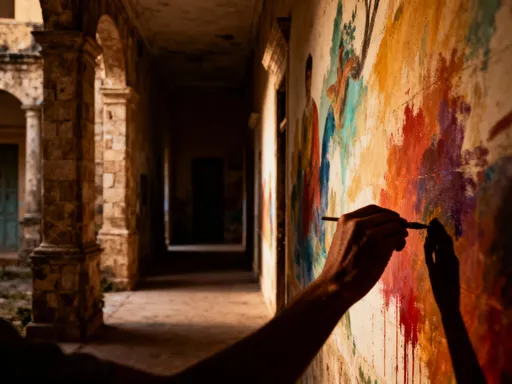
Bywater, with its rainbow-colored shotgun houses and lush banana trees, has gained social media fame for its picturesque charm. Murals cover entire building facades, and yard art—ranging from mosaics to repurposed metal sculptures—turns ordinary spaces into open-air galleries. While the aesthetic appeal is undeniable, it’s important to remember that this is still a residential neighborhood. Tourists should avoid blocking driveways, entering private property, or treating homes like photo backdrops. The beauty here is not staged for visitors; it’s an expression of personal and community identity.
Getting around is easiest by bike or public transit. The Elysian Fields streetcar line connects the Bywater to the French Quarter, offering a scenic and affordable ride. Parking can be challenging, especially during gallery events, so planning ahead is essential. When visiting studios or attending openings, engage with artists directly—many welcome questions and appreciate genuine interest. Buying a small print or handmade item not only supports their work but helps sustain the creative ecosystem that makes this area so vibrant.
Local Markets and Cultural Craftsmanship
One of the most rewarding ways to connect with New Orleans’ artistic spirit is through its local markets, where craftsmanship meets storytelling. The French Market, stretching along the riverfront, is one of the oldest public markets in the country, dating back to the 1790s. Today, it hosts a mix of food vendors, clothing stalls, and artisans selling handmade jewelry, paintings, and traditional Mardi Gras masks. While some items are tourist-oriented, careful exploration reveals authentic pieces crafted by local hands.
For a more curated experience, the Arts Market on Royal Street in the French Quarter offers higher-quality work from regional artists. Here, visitors can find intricate beadwork inspired by Mardi Gras Indian regalia, wood carvings that reflect Creole folk traditions, and paintings that capture the city’s landscapes and spirit. Many vendors are artists themselves, happy to discuss their techniques and the cultural meanings behind their work. A beaded mask, for instance, may take hundreds of hours to complete and often carries symbolic patterns passed down through families.
When shopping, it’s important to understand the value of what you’re purchasing. Most artisans price their work fairly, reflecting time, materials, and cultural significance. Bargaining is generally not expected and can be seen as disrespectful, especially when dealing with heritage crafts. To verify authenticity, ask about the artist’s background, where the materials were sourced, and whether the piece was made locally. Supporting certified vendors or those affiliated with organizations like the New Orleans Arts Council helps ensure ethical practices.
Best days to visit these markets are weekends, particularly Saturday mornings when foot traffic brings a lively atmosphere and more vendors are present. Weekday visits offer quieter browsing and more time for conversation. Whether you leave with a small souvenir or simply a deeper appreciation for the craft, these markets offer a tangible connection to the city’s creative soul.
Festivals That Define the City’s Rhythm
In New Orleans, festivals are not just events—they are expressions of community, history, and joy. Among the most iconic is the New Orleans Jazz & Heritage Festival, commonly known as Jazz Fest. Held annually at the Fair Grounds Race Course, it spans over a dozen stages featuring jazz, blues, gospel, zydeco, and brass bands, alongside hundreds of food booths serving local specialties like crawfish bread and crawfish étouffée. Beyond the music, Jazz Fest celebrates Creole and Native American crafts, cooking demonstrations, and cultural exhibits, making it a full immersion into the city’s heritage.
French Quarter Fest, held the weekend before Jazz Fest, offers a more intimate experience with free admission and performances in historic squares and courtyards. It highlights local musicians and restaurants, giving visitors a chance to enjoy high-quality entertainment without the large crowds. Similarly, the Essence Festival, one of the largest gatherings for African American culture, combines music, empowerment seminars, and community outreach, drawing visitors from across the country.
For travelers, attending these festivals requires planning. Jazz Fest tickets sell out quickly, so early purchase is recommended. Arriving early helps secure good viewing spots and avoid midday heat. Bring sunscreen, a hat, and a reusable water bottle—facilities can be crowded. Most importantly, be open to discovery: some of the best moments happen off the main stages, in the craft tents, food lines, or impromptu dance circles.
These festivals are not performances for outsiders; they are community celebrations that happen to welcome guests. Participating respectfully means following local customs, supporting vendors, and recognizing that you are a guest in a deeply rooted cultural tradition. When done with awareness, festival attendance becomes one of the most meaningful ways to connect with the soul of New Orleans.
Immersive Ways to Connect—Beyond Sightseeing
To truly understand New Orleans, one must move beyond observation and into participation. The city rewards travelers who seek connection over convenience. Opportunities for immersive experiences abound: joining a brass band workshop at a community center, volunteering for a mural restoration project, or taking a cooking class in a home kitchen where Creole recipes are passed down like heirlooms.
Organizations like the New Orleans Center for Creative Arts (NOCCA) and local cultural alliances often offer public workshops in music, dance, and crafts. These are not tourist simulations but real learning environments where visitors can play a snare drum in a second-line rhythm, learn basic jazz piano, or try their hand at mask-making. Similarly, guided cultural walks led by lifelong residents provide insights no guidebook can offer—stories of neighborhood change, musical lineages, and the meaning behind street art.
Another profound way to engage is through home-based dining experiences. Known locally as “supper clubs” or “kitchen soirees,” these gatherings allow visitors to share a meal with a family, hear personal stories, and taste food made with generations of knowledge. These meals are not restaurants; they are acts of hospitality, often held in modest homes where the table is the center of connection.
The most valuable tool for deep engagement is listening. Ask questions with genuine curiosity. Learn the names of the people you meet. Support local initiatives, whether by donating to a neighborhood arts fund or simply spreading the word about a small gallery. New Orleans has endured hardship, yet it continues to create, celebrate, and welcome. Those who travel here with openness and respect don’t just see the culture—they become part of its ongoing story. In a city that measures wealth not in money but in music, memory, and community, the greatest souvenir is not something you carry home, but something that stays with you: the feeling of belonging, even if just for a moment.