You Gotta Taste This: Ella’s Food Scene Will Blow Your Mind
Ella isn’t just about misty hills and scenic train rides—its food scene is quietly stealing the spotlight. As someone who’s wandered its winding streets and chatted with local cooks, I can tell you: the flavors here are real, fresh, and unforgettable. From hilly backyard cafes to roadside kottu flips under string lights, Ella serves up more than just views. This is a place where every bite tells a story of spice, tradition, and warmth. The air carries the scent of roasted cumin and wood-fired flatbreads, while laughter echoes from open-air kitchens where generations pass down recipes. Whether sipping herbal tea on a hilltop or sharing a plate of steaming hoppers with a local family, dining in Ella becomes part of the journey itself. Let’s dive into the dining experiences that make this Sri Lankan gem truly special.
Why Ella’s Dining Scene Stands Out
Ella’s culinary identity is deeply rooted in its geography and pace of life. Nestled in Sri Lanka’s hill country at over 1,000 meters above sea level, the town enjoys a cool climate that supports lush vegetable farms, tea estates, and spice gardens. Unlike bustling cities where fast food dominates, Ella moves at a slower rhythm, allowing food to be prepared with care, often from scratch. This deliberate approach shapes a dining culture centered on freshness, seasonality, and connection. Meals are not rushed; they are savored, shared, and deeply tied to the land.
The town’s elevation plays a crucial role in its food quality. Cool temperatures extend the growing season for crops like carrots, beans, cabbage, and strawberries, many of which appear on menus within hours of harvest. Local cooks pride themselves on using ingredients they grow or source nearby, minimizing reliance on imported or processed goods. It’s common to see herbs like curry leaf, pandan, and lemongrass growing in backyard pots, ready to be plucked for the day’s curry. This farm-to-fork mindset isn’t a trend here—it’s tradition.
Another defining feature is the absence of industrialization in cooking methods. Many eateries still use wood-fired stoves, which impart a subtle smokiness to dishes like dhal and rice. Spices are often ground fresh with mortar and pestle rather than bought pre-mixed. This hands-on preparation enhances flavor and preserves authenticity. Even simple meals, such as a plain string hopper with coconut sambal, taste richer because they are made with intention.
The warmth of the people further elevates the experience. In Ella, eating is rarely transactional. Whether at a roadside stall or a family-run eatery, servers often engage in conversation, ask about your journey, or offer recommendations based on what’s fresh that day. This personal touch makes each meal feel like an invitation into local life. For travelers, especially women in their 30s to 50s seeking meaningful connections, these moments of genuine hospitality can be as nourishing as the food itself.
The Rise of the Hilltop Cafés
One of Ella’s most beloved culinary trends is the rise of hilltop cafés—elevated spaces that combine breathtaking views with modern, health-conscious menus. These cafés are more than just places to eat; they are destinations in themselves, often perched on cliffs or nestled into tea-covered slopes. With wooden decks, hanging plants, and panoramic vistas of the valley below, they offer a serene setting for morning coffee or afternoon tea. The atmosphere is relaxed yet intentional, appealing to travelers who value both beauty and balance.
These cafés emerged in response to growing interest in wellness and sustainable tourism. Many cater to international visitors seeking lighter, plant-forward options without sacrificing flavor. Menus frequently feature avocado toast on sourdough, cashew pancakes drizzled with jaggery syrup, and turmeric lattes made with fresh ginger and local honey. While these dishes may sound familiar, their ingredients set them apart. Avocados are often grown in nearby home gardens, cashews are roasted in small batches, and honey comes from regional hives free of industrial additives.
One of the most popular offerings is Ceylon tea, served in its purest form—steaming, fragrant, and unblended. Unlike mass-produced versions found in supermarkets, Ella’s tea is typically single-estate, harvested from surrounding plantations. Sipping a cup while watching the mist roll over the hills creates a moment of quiet reflection, a rare luxury in today’s fast-paced world. Some cafés even offer tea tastings, guiding guests through the nuances of black, green, and white varieties grown in Sri Lanka’s central highlands.
Despite their modern appeal, these cafés maintain a deep respect for local culture. Many incorporate traditional elements, such as serving snacks on handmade clay plates or playing soft Sinhalese folk music in the background. Staff often wear locally woven sarongs or cotton shirts, reinforcing a sense of place. For women travelers seeking safe, welcoming environments where they can pause and recharge, these spaces offer both comfort and inspiration. They are not just about eating—they are about experiencing a slower, more mindful way of living.
Street Food Gems You Can’t Miss
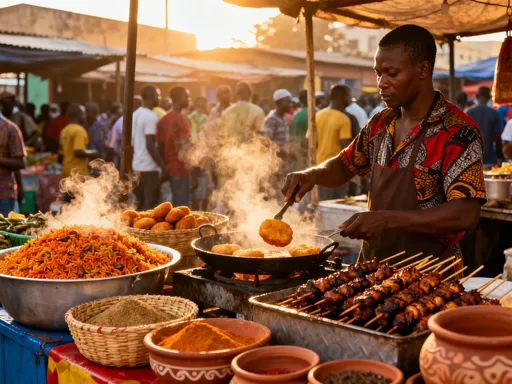
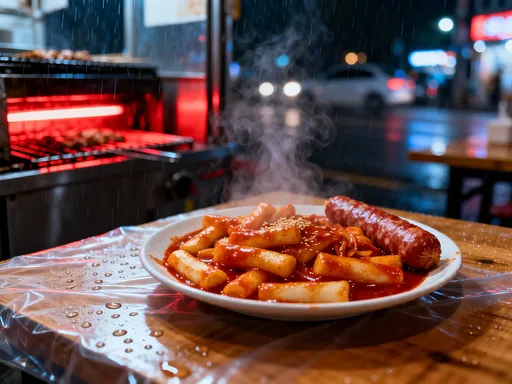
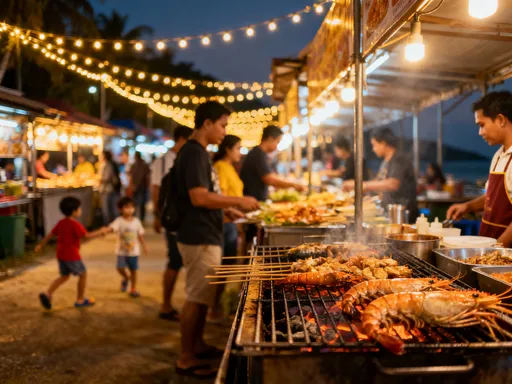
No visit to Ella is complete without exploring its vibrant street food culture. As the sun sets and the air cools, small stalls light up along Main Street and near the railway station, drawing crowds with the sizzle of hot griddles and the rich aroma of spices. This is where Ella’s culinary heart beats loudest—accessible, energetic, and full of flavor. For those willing to step beyond hotel restaurants, the rewards are immense: hot, affordable meals made with pride and seasoned with local life.
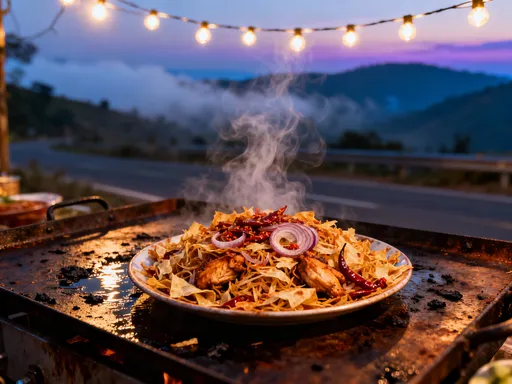
One must-try dish is kottu roti, a Sri Lankan favorite that transforms leftover flatbread into a savory stir-fry. Watch as vendors chop roti with two metal blades in a rhythmic dance, then toss in eggs, vegetables, cheese, or chicken. The result is crispy, spicy, and deeply satisfying. Another staple is the hopper—a bowl-shaped pancake made from fermented rice batter and coconut milk. Crispy at the edges and soft in the center, it’s often served with a runny egg in the middle and accompanied by spicy sambal or lentil curry.
For a quick snack, try the spicy lentil rolls, wrapped in thin roti and grilled until golden. These portable bites pack a punch of flavor with cumin, mustard seeds, and green chilies. Equally popular are vadai, deep-fried lentil fritters that are light on the inside and crunchy outside. Served with tangy coconut chutney, they make an ideal afternoon treat with a cup of sweet milk tea.
When enjoying street food, timing and location matter. The best vendors appear between 5 p.m. and 8 p.m., setting up near busy intersections or temple entrances. Look for stalls with long lines of locals—that’s usually a sign of quality and freshness. Hygiene varies, so choose spots where food is cooked to order and served hot. Many reputable vendors use gloves or tongs, and clean their griddles between orders. Bringing hand sanitizer is a practical precaution, especially for first-time visitors.
Engaging with street food vendors can also lead to memorable interactions. A simple smile or phrase in Sinhala—like “Sukriyata” (thank you)—can open doors to conversation. Some cooks happily explain how they prepare their dishes or share stories about their families. For women traveling alone or with children, these exchanges foster a sense of belonging and trust. Street food in Ella is more than sustenance; it’s a bridge between cultures, served on a paper plate.
Farm-to-Table Experiences in the Highlands
For a deeper connection to Ella’s food, few experiences compare to farm-to-table dining. Several organic farms and homestays in the surrounding hills offer immersive culinary programs where guests harvest ingredients, learn traditional cooking methods, and enjoy meals in natural settings. These experiences go beyond tourism—they are invitations to participate in the rhythm of rural life, where food is grown with care and shared with gratitude.
One popular activity is the guided garden tour. Guests walk through terraced plots, plucking fresh vegetables like bitter gourd, long beans, and eggplant. Hosts explain how each plant thrives in the cool climate and share tips on natural pest control using neem leaves or chili spray. Herbs such as coriander, mint, and curry leaf are harvested by hand, their fragrance filling the air. This direct contact with the source of food fosters appreciation and mindfulness, qualities many women seek in their travel experiences.
The cooking demonstration is often the highlight. Led by a local mother or grandmother, the session unfolds in an open-air kitchen with a clay oven or wood stove. Participants learn how to roast and grind spices, prepare coconut milk from scratch, and layer flavors in a traditional curry. The process is unhurried, with room for questions and laughter. Children are often welcome, making it a family-friendly activity that teaches intergenerational wisdom.
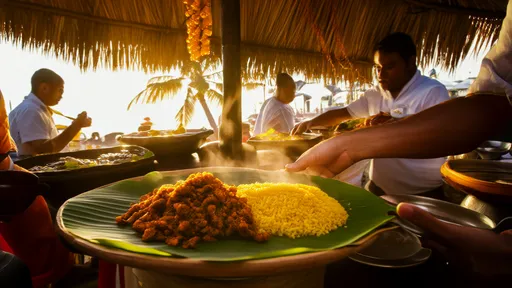
Meals are served under shade trees or on verandas overlooking the valley. Dishes may include jackfruit curry, dhal, pol sambal (coconut relish), and steamed rice—all made from ingredients harvested that morning. Eating under a jungle canopy, with birdsong in the background, transforms dinner into a multisensory event. There’s no menu, no prices—just a table set with love and abundance.
These experiences also support sustainable livelihoods. Many farms are run by women or cooperatives, and income from tours helps preserve traditional farming methods. By participating, travelers contribute directly to the community. For women in their 30s to 50s, especially those interested in wellness, sustainability, and cultural exchange, these farm visits offer a rare blend of nourishment—physical, emotional, and ethical.
Hidden Eateries Off the Tourist Trail
Beyond the Instagram-famous cafés and busy street stalls lie Ella’s true culinary treasures—small, family-run eateries known only to locals. These unassuming spots, often tucked down narrow lanes or beside quiet temples, serve some of the most authentic food in town. They lack fancy décor or English menus, but what they offer in return is unmatched flavor and genuine hospitality.
One such place might be a tiny restaurant with plastic stools and a fan spinning slowly overhead. The owner, a middle-aged woman in a cotton sari, greets regulars by name and serves a fiery fish curry made with tamarind and roasted chili. Another could be a tea shop where elderly men sip black tea and nibble on plain hoppers, while a pot of dhal simmers in the corner. These spaces are not designed for tourists, but those who visit with respect are usually welcomed with warmth.
Finding these spots requires curiosity and humility. Asking a shopkeeper or tuk-tuk driver for “where locals eat” can lead to surprising discoveries. Walking a few blocks off Main Street often reveals hidden gems—perhaps a roadside kitchen grilling chicken skewers over charcoal or a home kitchen selling fresh roti and potato curry from a window. The key is to observe: where are the locals lining up? Where does the aroma draw people in?
Dining in these places is an act of cultural immersion. Menus are often spoken rather than written, and choices depend on what’s available. A simple nod or pointing at what others are eating can suffice. Meals are usually inexpensive—between $1 and $3—and served with a side of conversation. Some owners may invite guests into their homes or show family photos, creating moments of unexpected connection.
For women travelers, these encounters can be deeply affirming. They remind us that kindness and generosity transcend language. Sharing a meal in someone’s backyard, eating with the right hand as is customary, and accepting a cup of warm tea offered with both hands—these gestures build trust and mutual respect. In a world that often feels disconnected, such experiences restore faith in human kindness.
Balancing Flavor and Comfort: What to Expect
While Ella’s food is a delight, it’s important to approach it with awareness. Sri Lankan cuisine is known for its bold flavors, particularly heat. Curries often contain fresh green chilies, and sambals can be intensely spicy. For those unaccustomed to such levels, a simple meal can become overwhelming. The good news is that most cooks are happy to adjust spice levels when asked. A polite request for “less chili” or “mild curry” is usually honored without hesitation.
Hygiene standards vary, especially in street food settings. While many vendors maintain clean practices, others may lack running water or proper storage. To stay safe, choose stalls where food is cooked fresh and served hot. Avoid pre-cut fruit or items left uncovered in the sun. Bottled or filtered water is recommended, and it’s wise to carry a small supply of hand sanitizer. Most reputable restaurants and cafés use purified water for drinking and cooking, so asking “Is the water safe?” can provide peace of mind.
Dietary needs are increasingly accommodated, though options remain limited outside tourist areas. Vegetarian meals are easy to find—many traditional dishes are plant-based, featuring lentils, vegetables, and coconut. Vegan travelers may need to clarify that they avoid dairy, as ghee or milk is sometimes used in curries. Gluten-sensitive guests should be cautious with roti, hoppers, and soy-based sauces, but rice-based dishes are widely available and safe.
International cuisine is present but not dominant. A few restaurants offer Italian pasta, Chinese noodles, or Middle Eastern wraps, often adapted to local tastes. While these can be comforting for picky eaters, they rarely match the authenticity of Sri Lankan fare. The real joy comes from embracing the local palate—trying new flavors, asking questions, and trusting the process. With a little preparation and an open mind, every meal becomes an adventure.
Making the Most of Your Culinary Journey
To fully enjoy Ella’s food scene, a few practical tips can make all the difference. Timing is key: breakfast at a hilltop café offers solitude and sunrise views, while dinner at a street stall captures the town’s evening energy. Lunch is best enjoyed at a homestay or garden restaurant, where slow-cooked curries are ready by midday. Avoid eating late at night, as many places close by 9 p.m.
Engaging with food vendors enhances the experience. A friendly greeting, a thank-you in Sinhala, or a smile can open doors to conversation and better service. When in doubt, point to what others are eating or ask for “what’s fresh today.” Many cooks take pride in their daily specials and enjoy sharing their creations.
Pairing meals with local activities deepens the journey. A morning hike to Ella Rock can be followed by a hearty kottu roti lunch. A visit to a tea plantation often includes a tasting session, best enjoyed with a buttered bun. The famous nine-arch bridge is beautiful at dawn, and nearby stalls serve hot tea and snacks perfect for a post-walk break. Food and exploration go hand in hand, each enriching the other.
Most importantly, approach Ella’s cuisine with mindfulness and gratitude. Each meal is the result of labor, tradition, and generosity. Whether seated on a plastic stool or a wooden deck with a view, remember that you are being welcomed into a culture that values hospitality above all. Let the flavors linger. Let the conversations unfold. Let the experience remind you that travel is not just about seeing new places—but about tasting, feeling, and connecting in ways that stay with you long after you return home.
Ella’s food scene is more than a collection of restaurants and recipes. It is a living expression of place, shaped by land, climate, and community. For women seeking meaningful, safe, and enriching travel experiences, it offers a rare blend of beauty, flavor, and heart. So come with an open mind, a curious palate, and a willingness to slow down. Let Ella feed not just your body, but your soul. The journey, one delicious bite at a time, is waiting for you.