You Won’t Believe What I Saw in Milford Sound
I never thought waterfalls could fall upward—until I stood in Milford Sound. Rain poured sideways, mist curled around sheer cliffs, and dolphins danced beside our boat. This place doesn’t just impress—it transforms you. More than a scenic drive or photo stop, Milford Sound is nature at its most raw and real. If you’ve ever doubted the power of wild landscapes, this fjord will rewrite your soul. Let me take you through why this corner of New Zealand feels like another planet.
Arriving in the Fiord: The Journey In Is Part of the Adventure
The journey to Milford Sound is not merely a transfer from point A to B—it is the overture to one of Earth’s most dramatic natural performances. Nestled within Fiordland National Park on New Zealand’s South Island, Milford Sound lies at the end of a 120-kilometer ribbon of asphalt known as State Highway 94, or more poetically, the Milford Road. This route, often ranked among the world’s most scenic drives, winds through alpine passes, ancient beech forests, and valleys carved by glaciers over millions of years. For travelers, the drive itself becomes a meditation on remoteness and beauty, setting the emotional tone before the first glimpse of the fjord.
Along the way, several stops punctuate the journey with moments of quiet awe. Eglinton Valley, framed by the Darran Mountains, unfolds like a vast green corridor where red deer sometimes graze in the early morning light. The valley’s open expanse offers a rare sense of space in an otherwise tightly folded landscape. Just a few kilometers further, Mirror Lakes provide one of the most photographed scenes on the route. Despite their small size, these still pools perfectly reflect the surrounding peaks and sky when undisturbed by wind, creating a surreal, symmetrical world that invites stillness and contemplation.
What makes this journey so transformative is not just the scenery but the deliberate disconnection it imposes. Mobile phone signals vanish for long stretches, and services are sparse. There are no billboards, no fast-food chains—only the occasional DOC (Department of Conservation) information board and a handful of basic rest areas. This absence of modern distractions heightens awareness. Travelers begin to notice subtle changes in light, the sound of rain tapping on the windshield, or the sudden appearance of a kea, the alpine parrot, curiously inspecting a car’s windshield wiper.
Visitors have three main options for reaching Milford Sound: driving a rental car, joining a guided coach tour, or taking a shuttle service. Each has its merits. A rental car offers the most flexibility, allowing travelers to stop at will and adjust their pace. However, winter driving conditions can be challenging, with occasional snowfall and narrow, winding roads requiring full attention. Guided tours, often departing from Te Anau or Queenstown, include knowledgeable commentary and eliminate the stress of navigation. They also frequently bundle a boat cruise, making logistics seamless. Shuttle services fall between the two—offering scheduled stops and professional drivers without the full package of a tour. For families or those unfamiliar with New Zealand’s rural roads, a guided option may provide greater peace of mind.
First Glimpse: That Moment the Fjord Reveals Itself
After hours of travel through dense forest and high mountain passes, the approach to Milford Sound is marked by the Homer Tunnel—a 1.2-kilometer bore cut through solid rock, illuminated by dim lights that flicker like fireflies in the gloom. Emerging from the far end, travelers are met with a sudden, breathtaking revelation: the valley opens into a vast amphitheater of stone and sky. This is the moment many describe as life-changing. The first sight of Milford Sound, often shrouded in mist, with Mitre Peak rising 1,692 meters directly from the dark waters, evokes a sense of awe that words struggle to capture.
The sensory experience is immediate and overwhelming. The air carries the crisp scent of wet granite and damp moss, a clean, mineral-rich fragrance unique to this environment. The sound of dripping water echoes from every surface—cliffs, trees, roadside rocks—as rain, when present, turns the entire landscape into a living acoustic instrument. Sunlight, if it breaks through, does so in golden shafts that illuminate patches of emerald rainforest clinging to vertical walls, while the rest remains cloaked in shadow.
What strikes most visitors is the sheer scale of the fjord. Mitre Peak, though not the tallest mountain in New Zealand, appears monumental because of its direct rise from sea level. Its symmetrical, cathedral-like profile has drawn comparisons to the Matterhorn, yet it stands in solitude, surrounded by water and silence. The fjord’s depth—over 400 meters in places—contrasts with the narrowness of its entrance, creating a sense of enclosure and intimacy despite the grandeur.
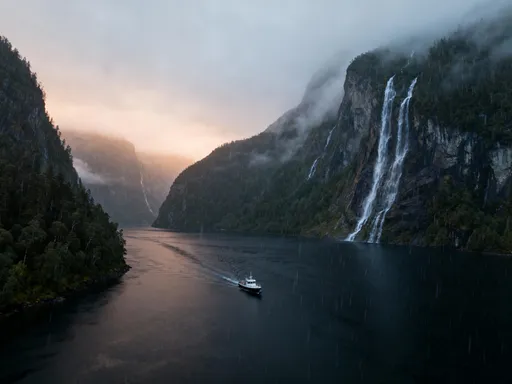
Light and weather play a decisive role in shaping the experience. On clear days, the scene is postcard-perfect: sharp reflections, bright blues, and a sense of clarity. But many who have visited in rain describe a deeper emotional impact. The mist softens edges, blurring the boundary between rock and sky. Waterfalls, often invisible in dry weather, erupt from countless cliff faces, turning the walls into veils of silver. The mood becomes more mysterious, more elemental. It is in these moments that Milford Sound feels less like a destination and more like a living entity, breathing and shifting with the elements.
On the Water: Why a Cruise Is Non-Negotiable
No amount of photography or storytelling can replicate the experience of being on the water in Milford Sound. A boat cruise is not just recommended—it is essential to understanding the fjord’s true nature. As the vessel pulls away from the dock, the scale of the surroundings becomes even more apparent. From the water, the cliffs seem to stretch infinitely upward, their surfaces pockmarked with crevices where ferns and mosses grow in improbable abundance. The dark, tannin-stained water—so clear yet so deeply colored—reflects the sky and mountains with a stillness that feels sacred.
Most daytime cruises last between 1.5 and 2 hours, a duration that allows for a comprehensive journey from the head of the fiord to its narrow entrance at the Tasman Sea. Along the way, the boat glides past permanent waterfalls like Stirling Falls and Lady Bowen Falls, both fed by glacial melt and rainfall. When the engines quiet near these cascades, passengers are enveloped in a fine mist and the thunderous roar of falling water. Stirling Falls, in particular, is powerful enough to drench those standing on open decks, a refreshing and invigorating moment that connects visitors physically to the landscape.
What sets these cruises apart is the combination of natural spectacle and informed context. Most operators employ knowledgeable guides who share insights into the region’s geology, climate, and cultural history. Passengers learn that Milford Sound was carved by glaciers over 100,000 years ago, with ice up to 1,000 meters thick slowly grinding away the rock. They hear about the Māori name for the fiord—Piopiotahi—linked to the legend of Māui and the piopio bird, a species now extinct. These narratives deepen the experience, transforming sightseeing into a form of storytelling that honors both science and tradition.
For practical comfort, visitors should dress in layers and bring waterproof outerwear, even on seemingly clear mornings. The microclimate of the fiord is unpredictable, and rain can begin without warning. Most boats offer indoor seating with large windows, but the best views are from the open decks. Binoculars are useful for spotting wildlife, and cameras should be protected with waterproof cases or plastic bags. While some cruises include light refreshments, bringing a thermos of tea or coffee can enhance the experience, especially on cooler days.
Weather or Not: How Rain Makes Milford Sound Even More Magical
Many travelers plan their visit around the hope of clear skies, but those who experience Milford Sound in the rain often leave with the most vivid memories. Rain is not an obstacle here—it is a catalyst. On average, the region receives over 6,000 millimeters of rainfall annually, one of the highest totals in the world. Rather than diminishing the beauty, this abundance of water activates the landscape in ways that dry weather cannot.
During a downpour, hundreds of temporary waterfalls burst from the cliffs, transforming the fjord’s walls into shimmering tapestries of silver threads. These ephemeral cascades, known locally as “hanging glaciers” when frozen, appear and disappear with the seasons and weather. Their sudden emergence adds an element of surprise and dynamism to the scenery. The mist thickens, curling around peaks like smoke, and the rainforest takes on a deeper, almost unreal green. The air feels alive, charged with energy, and the sound of rain on water creates a soothing, rhythmic backdrop.
One traveler’s initial disappointment at seeing gray skies can quickly turn to wonder when they realize that the rain enhances rather than hinders the experience. The reflections in the water become more dramatic, the contrasts between light and shadow more pronounced. Wildlife remains active—dolphins and seals are indifferent to the weather—and the reduced number of visitors during wet conditions can make the fjord feel even more secluded and intimate.
Packing appropriately is key to enjoying the rain. A high-quality waterproof jacket with a hood, waterproof pants, and moisture-wicking base layers are essential. Gumboots or waterproof hiking shoes prevent soggy feet when stepping off the boat or walking near the shore. For camera equipment, a simple plastic zip-lock bag with a clear front can serve as an effective rain cover. Most importantly, adopting the right mindset—viewing rain not as a nuisance but as part of the fjord’s character—can transform the entire experience. In Milford Sound, weather is not something to endure; it is something to witness.
Beyond the Cruise: Kayaking and Short Walks for a Closer Look
While the boat cruise offers a sweeping overview of Milford Sound, those seeking a more immersive experience often turn to kayaking or short walks. These activities allow for a slower, quieter engagement with the environment, fostering a deeper sense of connection. Kayaking, in particular, provides a unique perspective—gliding just above the water’s surface, travelers can approach waterfalls, peer into quiet coves, and feel the scale of the cliffs from a more vulnerable, human-sized vantage point.
Guided kayaking tours are available for all skill levels, from beginners to experienced paddlers. Safety is prioritized, with operators providing waterproof clothing, life jackets, and thorough briefings. Most tours stay close to the shore, avoiding the stronger currents near the fiord’s entrance. The rhythm of paddling creates a meditative state, and the silence—broken only by the dip of the paddle and the call of a distant bird—heightens awareness of the surroundings. It is not uncommon for kayakers to find themselves floating in complete stillness, surrounded by towering walls and hanging waterfalls, feeling both insignificant and profoundly connected.
For those who prefer to stay on land, the walk to the Stirling Falls viewpoint offers a rewarding alternative. This short, well-maintained track begins near the cruise departure point and follows a gentle path through lush rainforest. The trail is accessible to most fitness levels and takes approximately 20 to 30 minutes round trip. Along the way, interpretive signs explain the local flora, including rimu, silver beech, and crown ferns. The destination—a viewing platform near the base of Stirling Falls—delivers a powerful sensory experience. The mist from the falling water refreshes the skin, and the sound is almost overwhelming, a constant roar that vibrates through the chest.
Timing matters when choosing these activities. Early morning visits, especially during peak season, offer the best chance to avoid crowds and experience the fiord in relative solitude. The light at dawn is soft and golden, casting long shadows across the water. For families, these shorter activities can be more manageable than full-day hikes, allowing children to engage with nature at a comfortable pace. Regardless of the choice, the goal is the same: to slow down, to listen, and to let the landscape speak on its own terms.
Wildlife Encounters: From Dolphins to Seabirds, Nature’s Cameos
Milford Sound is not just a geological wonder—it is a thriving ecosystem where land, sea, and sky converge. Wildlife sightings, while never guaranteed, are frequent enough to feel like an integral part of the experience. The most common and beloved visitors are the bottlenose dolphins. These intelligent mammals often approach boats, riding the bow wave with effortless grace. Watching them leap and spin just meters from the deck is a moment of pure joy, a reminder of nature’s playfulness and curiosity.
Fur seals are another regular presence, typically seen lounging on sun-warmed rocks near the fiord’s entrance. These animals, once hunted nearly to extinction, have made a strong comeback thanks to conservation efforts. They move with surprising agility on land and are excellent swimmers, diving deep to catch fish and squid. Observers are advised to keep a respectful distance—usually at least 20 meters—to avoid disturbing them. Their barks and grunts add to the soundscape, a rugged counterpoint to the soft drip of water and rustle of leaves.
Birdlife in the fiord is diverse, though often less visible. The tui and bellbird can be heard singing in the forest, their melodic calls echoing through the trees. More elusive is the Fiordland crested penguin, or tawaki, which nests in remote coastal areas during breeding season (typically June to November). While sightings are rare and require guided night tours with strict protocols, even knowing these rare birds inhabit the region adds a layer of reverence to the landscape.
The underwater world is equally rich. The fiord’s deep, dark waters support black coral, an ancient species that can live for over 4,000 years. Unlike tropical corals, black coral thrives in cold, low-light conditions and is a protected species. Some boat cruises feature underwater cameras that broadcast live footage, allowing passengers to glimpse this hidden realm without getting wet. These moments underscore the complexity of the ecosystem—what lies beneath the surface is as important as what meets the eye.
Leaving With More Than Photos: The Emotional Weight of the Place
As the boat returns to the dock and travelers begin the journey back, many report a quiet shift within themselves. Milford Sound does not merely offer visual beauty; it evokes a deeper emotional and psychological response. There is a sense of humility that comes from standing beneath cliffs formed by ice ages, or watching waterfalls that appear and vanish with the rain. The scale of the landscape puts human concerns into perspective, reminding visitors of their small but meaningful place in the natural world.
This feeling—often described as awe—is not fleeting. Studies in environmental psychology suggest that experiences in wild, undisturbed landscapes can reduce stress, improve mood, and foster a sense of connectedness. In Milford Sound, where modern life feels distant and irrelevant, these effects are amplified. The absence of digital distractions, the rhythm of natural sounds, and the sheer grandeur of the scenery create conditions for genuine presence. People listen more closely, speak more softly, and move more slowly.
The experience also invites reflection on the value of preservation. Fiordland National Park is part of a UNESCO World Heritage site, protected for its outstanding natural value. Seeing this place in person reinforces the importance of conservation—not as an abstract idea, but as a lived necessity. It becomes clear that such landscapes are not infinite, and that their continued existence depends on thoughtful human action.
For families, couples, or solo travelers, Milford Sound offers more than a vacation highlight. It offers a moment of transformation. It challenges the notion that travel must be comfortable or predictable. Instead, it celebrates the raw, the unpredictable, and the profoundly beautiful. To visit Milford Sound is not just to see a place—it is to feel it, to carry it within long after the journey ends. And for those who have yet to go, the invitation stands: come with open eyes, a warm jacket, and a willing heart. Let the rain fall, the mist rise, and the waterfalls flow—even upward. Witness it not through a screen, but in person. Because some places are not meant to be viewed. They are meant to be felt.