Taste of Galle: Where Every Bite Tells a Story
Galle, Sri Lanka, isn’t just about ancient walls and ocean views—its food scene is pure magic. As someone who wandered the cobblestone streets hungry and curious, I discovered flavors that surprised me at every turn. From spicy street bites to seaside dinners with sunset views, Galle blends tradition, culture, and taste like nowhere else. This isn’t just a meal guide—it’s an invitation to eat like you’re truly here. Every dish carries a whisper of history, every aroma tells of generations past, and every shared meal feels like a quiet welcome into a world shaped by spice, sea, and soul.
The Heartbeat of Galle: Food as Culture
In Galle, food is not simply sustenance—it is memory, identity, and connection. The city’s culinary traditions pulse with the rhythm of its history, shaped by centuries of maritime trade, colonial influences, and deeply rooted Sinhalese customs. Walking through the bustling lanes of the old town or the local markets just beyond the fort, one is immediately struck by the sensory richness: turmeric-stained fingers kneading dough, the sharp tang of tamarind paste, and the smoky perfume of chilies drying in the sun. These are not just ingredients; they are the building blocks of a living culture, passed down through kitchens where grandmothers still teach their daughters the precise balance of heat and sour that defines authentic Sri Lankan flavor.
The Dutch and Portuguese colonizers left an indelible mark on Galle’s palate, introducing ingredients like cloves, cinnamon, and vinegar, which now blend seamlessly with native spices such as mustard seeds, curry leaves, and pandan. South Indian influence is evident in the prevalence of lentil-based sambols, dosas, and the use of coconut in nearly every dish. This fusion is not forced or trendy—it is the natural evolution of a port city that has long welcomed travelers, traders, and settlers. Meals in Galle often begin with a blessing, especially in homes and temples, where food is offered before being consumed. This practice reflects a deep respect for nourishment as both physical and spiritual sustenance.
Cooking here is rarely a solitary act. It is a communal rhythm—women gathering at dawn to prepare rice and curry for temple offerings, families gathering at dusk around low wooden tables, children learning to crack coconuts with a swift twist of the wrist. Even in restaurants, the food feels personal. Dishes arrive not in rapid succession but in waves, as if prepared by someone who knows you have nowhere else to be. There is no rush, no performance—just warmth, care, and the quiet pride of serving something made with intention. To eat in Galle is to be reminded that food, at its best, is an act of love.
Where the Locals Eat: Beyond Tourist Menus
While the Galle Fort area draws visitors with its charming cafes and ocean-view terraces, the true heart of the city’s dining scene beats in the narrow lanes and fishing villages just beyond the colonial walls. Here, in unassuming storefronts and open-air kitchens, families serve meals that have changed little over generations. These are not places with glossy menus or Instagrammable decor—but they are where you’ll taste the soul of Sri Lankan cuisine. One such spot, tucked behind the fish market near Pedlar Street, opens before sunrise, serving steaming plates of string hoppers with coconut sambol to fishermen heading out to sea. The plastic stools are worn, the ceiling fan creaks, but the food is so fresh it tastes like it was made just for you.
Another favorite among locals is a modest eatery near the Old Town bus stand, where a mother and daughter team prepare curries in large black pots over gas stoves. Their jackfruit curry, slow-cooked with mustard seeds and tamarind, is a revelation—tender, tangy, and deeply satisfying. Meals here cost less than five dollars, and the only language you need is a smile and a willingness to point at what looks good. The key to finding these places is observation: follow the crowds at lunchtime, notice where motorbikes park in clusters, and listen for the sizzle of oil hitting a hot pan.
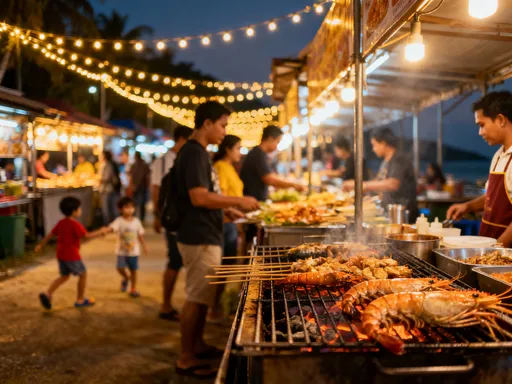
Timing matters. Arrive too late, and the best dishes may already be sold out. Many family-run kitchens prepare only what they expect to sell, relying on daily ingredients and no refrigeration. For roti, the ideal time is early afternoon, when the dough is still warm and the ghee is freshly melted. For grilled fish, head to the beachside shacks just after sunset, when the catch of the day is cleaned, butterflied, and slapped onto hot grills. These rhythms are not inconveniences—they are invitations to slow down, to align your day with the natural flow of life in Galle.
To distinguish genuine local spots from tourist-focused establishments, look for a few simple signs. If the menu is printed in ten languages, the prices are listed in US dollars, or the staff wear matching uniforms, you’re likely in a place designed for visitors. Authentic eateries often have no signage at all, or a hand-painted board in Sinhala. The staff may not speak fluent English, but they will gesture warmly and offer a sample if you seem unsure. These are the places where you don’t just eat—you belong.
Street Food Adventures: Bold, Spicy, and Unforgettable
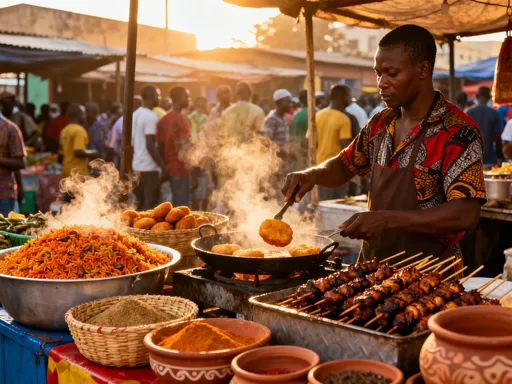
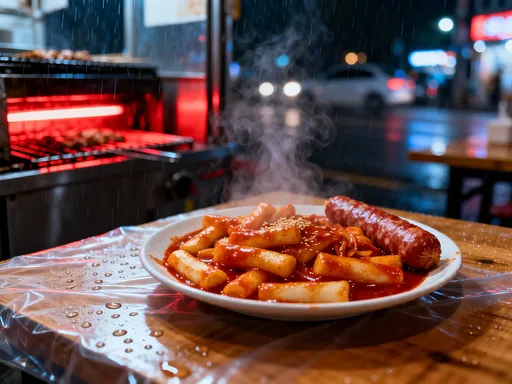
No visit to Galle is complete without diving into its vibrant street food culture. As the sun dips below the horizon and the air cools, the city’s streets come alive with the sizzle of griddles, the clatter of metal spatulas, and the sweet-savory scent of spices hitting hot oil. Street food in Galle is not just convenient—it’s an experience, a celebration of flavor and texture that invites you to eat with your hands, your eyes, and your heart. From the crispy lace edges of a hopper to the fiery kick of kottu roti, every bite is a revelation.
Hoppers, known locally as appa, are a breakfast staple but enjoyed at any time of day. Made from fermented rice batter and coconut milk, they are poured into small woks and cooked until the edges curl into delicate, lacy frills. At the center, many vendors crack a fresh egg, creating a rich, custardy yolk that blends perfectly with the tangy coconut sambol served on the side. For the sweet version, jaggery—a dark, unrefined palm sugar—is drizzled over the top, creating a comforting contrast of warm and sweet.
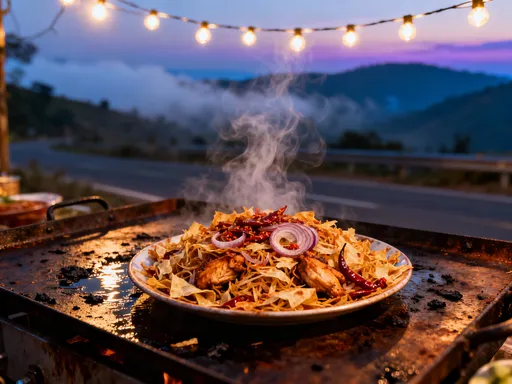
Kottu roti, perhaps the most iconic street dish, is a symphony of sound and flavor. At first, you hear it—the rhythmic chopping of a metal blade against a flat griddle, as a vendor rapidly dices leftover flatbreads, vegetables, eggs, and your choice of meat. The result is a hearty, spicy stir-fry that varies from stall to stall. Some add cheese, others a splash of soy sauce, but the core remains the same: bold, messy, and deeply satisfying. For first-time eaters, it’s wise to request mild spice and work your way up. The heat here is not for show—it’s woven into the fabric of the dish.
Safety is a common concern, but with a few simple precautions, street food can be both delicious and risk-free. Choose stalls that are busy—high turnover means fresh ingredients. Watch how food is handled; avoid places where cooked items sit uncovered for long periods. Carry a small bottle of hand sanitizer and use it before eating. And don’t shy away from bottled water or packaged drinks. With these small steps, you can enjoy the full spectrum of Galle’s street flavors without worry. An evening spent grazing from stall to stall—starting with a hopper, moving to kottu, then ending with a sweet milk tost—is not just a meal, but a journey through the city’s culinary soul.
Seaside Dining: Fresh Catches and Sunset Feasts
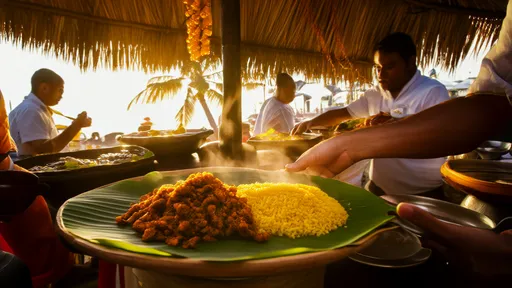
There is something profoundly peaceful about eating by the ocean in Galle. The salt-kissed breeze, the gentle lap of waves, and the golden glow of sunset create a dining atmosphere unlike any other. Along the coast, from Unawatuna to Dalawella, small restaurants perch on wooden decks or right on the sand, offering front-row seats to nature’s daily masterpiece. Here, seafood is not just a menu option—it is the centerpiece of the meal, celebrated in its simplest, most honest form.
The best seaside kitchens operate on a single principle: freshness above all. Fishermen return with their catch in the early morning, and by lunchtime, those same fish—snapper, kingfish, parrotfish—are laid out on ice for customers to choose. You might point to a glistening silver kingfish, and within minutes, it is scaled, filleted, and grilled over coconut husks, which impart a subtle, smoky sweetness. Preparation is minimal—often just a rub of salt, chili, and lime—but the flavor is maximal, enhanced by the natural brininess of the sea.
One of the most beloved local dishes is ambul thiyal, a sour fish curry made with goraka, a dark, sun-dried fruit that gives the dish its distinctive tang. Cooked slowly with mustard seeds, cinnamon, and curry leaves, it is traditionally served with pittu—steamed cylinders of ground rice and coconut. Another favorite is grilled lobster, often offered during peak season, basted in garlic butter and served with a wedge of lime. While more indulgent, it remains true to the spirit of coastal cooking: honest, unpretentious, and deeply flavorful.
Side dishes complete the feast. Coconut sambol—a mix of grated coconut, chili, onion, and lime juice—is a staple, adding brightness and heat to every bite. Maldive fish, made from dried tuna, is flaked into salads and curries, giving them a savory depth. And no meal is complete without a glass of king coconut water, harvested fresh from trees nearby. The experience is not just about eating—it’s about being present, barefoot in the sand, watching the sky turn from gold to indigo as the stars begin to appear.
Hidden Gems: Off-the-Beaten-Path Eateries
Beyond the well-trodden paths of the fort and the beach, Galle holds quieter, more intimate dining experiences—places known only to those who take the time to ask, to listen, and to explore. These hidden gems are not listed in guidebooks, but they are treasured by locals and those lucky enough to be led there by a friend or a curious tuk-tuk driver. They are the garden cafes shaded by frangipani trees, the converted colonial bungalows with creaky floors and handwritten menus, and the village tea shops where farmers pause for a midday break.
One such place is a family-run garden restaurant just outside the city, reachable by a short tuk-tuk ride through rice paddies and banana groves. Set in a walled compound filled with flowering hibiscus and the soft clink of teacups, it serves home-style curries made from vegetables grown in the backyard. The owner, a retired schoolteacher, greets each guest personally, often joining tables to explain the history behind a dish or the origin of a spice. Her pumpkin curry, simmered with fenugreek and tamarind, is served with steamed rice and a side of laughter.
Another gem is a heritage house turned café in the heart of the old town, where meals are served on antique porcelain and the walls are lined with black-and-white photographs of Galle in the 1940s. The menu changes daily, based on what’s available at the market, and might include crab curry in a rich coconut gravy or a delicate banana blossom salad. The chef, a descendant of a Dutch-Sinhalese family, incorporates colonial-era recipes with modern touches, creating a bridge between past and present.
Then there are the village tea shops, humble and unassuming, where men in sarongs sip sweet milky tea and nibble on spicy vadai. These are not places for long meals, but for moments of connection—over a shared table, a warm cup, and a plate of freshly fried samosas. To visit them is to step into the daily rhythm of Galle, where food is not an event, but a constant, comforting presence.
Sweet Endings: Desserts and Drinks That Delight
In Galle, meals often end not with a heavy cake, but with something light, fragrant, and deeply rooted in tradition. Sri Lankan desserts favor natural sweetness—jaggery, palm honey, ripe mango, and banana—over refined sugar. One of the most beloved treats is kiribath, a dish of milk rice cooked with coconut milk and molded into diamonds, often served at celebrations. Another favorite is weli thalapa, a steamed pudding made from rice flour and jaggery, with a texture somewhere between cake and custard.
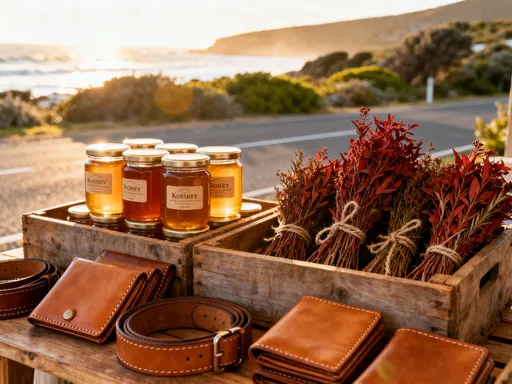
But perhaps the most iconic dessert is buffalo curd with palm honey. Served in small clay pots, the curd is thick, tangy, and cooling—a perfect counterpoint to spicy meals. Drizzled with kithul honey, a golden syrup tapped from the sap of the kithul palm, it becomes a luxurious treat that feels both simple and sacred. This honey, harvested in the dry zone of Sri Lanka, is rich in minerals and has a deep, molasses-like flavor that no store-bought syrup can replicate.
Fruit plays a starring role in Galle’s sweet offerings. Fresh mango shakes, made with ripe Alphonso or Willard varieties, are blended with milk and a touch of sugar for a creamy, refreshing finish. Papaya, pineapple, and banana are often served chilled, sometimes with a sprinkle of lime and chili for a sweet-sour kick. For those seeking something warm, spiced tea—infused with cardamom, cinnamon, and ginger—is poured from tall kettles into small glasses, its aroma filling the air like a promise of comfort.
While alcohol is not central to daily life, licensed bars in Galle do offer arrack-based cocktails, made from distilled coconut sap. The most popular is the arrack punch, mixed with lime, sugar, and crushed mint, best enjoyed on a candlelit deck as the night settles in. But for most, the true delights are non-alcoholic: king coconut water straight from the husk, herbal infusions made from lemongrass and pandan, and the simple joy of a cold, sweet lime soda on a hot afternoon.
Practical Tips for the Food-Loving Traveler
Exploring Galle’s food scene is a joy, but a few practical tips can make the experience even richer. First, timing matters. Lunch, typically served between 12:30 and 2:30 p.m., is the main meal of the day, when the widest variety of curries and rice dishes are available. Dinner is lighter, but seaside grills and street vendors come alive in the evening. If you’re hoping to try a specific dish, ask locals what time it’s prepared—some curries are made only once a day.
Spice levels can be intense for unaccustomed palates. Don’t hesitate to ask for “mild” or “less chili”—most cooks are happy to adjust. Keep yogurt, coconut milk, or plain rice on hand to soothe the heat. Vegetarian travelers will find plenty of options, especially in temples and home-style kitchens, where lentil dhal, vegetable curries, and jackfruit dishes are staples. Just be aware that some curries may be cooked with fish or shrimp paste, so it’s wise to ask.
Cash is still king in most local eateries, especially street stalls and village shops. While larger restaurants may accept cards, smaller places operate on a cash-only basis. Carry small bills to make transactions easier. Transportation to food hubs is simple—tuk-tuks are abundant and affordable, and drivers often know the best spots better than any map.
Finally, approach dining in Galle with respect and openness. Ask permission before photographing food or people, and always wash your hands before eating, especially when sharing from a common plate. Meals here are not rushed; they are moments to connect, to savor, to be present. When you let go of the need to document every bite and instead focus on the taste, the conversation, the view—you discover that the best meals in Galle do more than feed the body. They nourish the soul, leaving you not just full, but deeply, quietly grateful.