You Won’t Believe What’s Hiding in Antananarivo’s Art Scene
When I first stepped into Antananarivo, I expected red laterite roads and bustling markets—but not this. Hidden behind unassuming doors are vibrant art spaces pulsing with creativity. From repurposed colonial buildings to open-air studios, the city’s artistic heartbeat is real, raw, and completely unexpected. This isn’t just tourism; it’s connection. If you think Madagascar is only about nature, think again—its soul thrives on canvas, in clay, and through the hands of local visionaries.
Arrival in Tana: First Impressions vs. the Artistic Reality
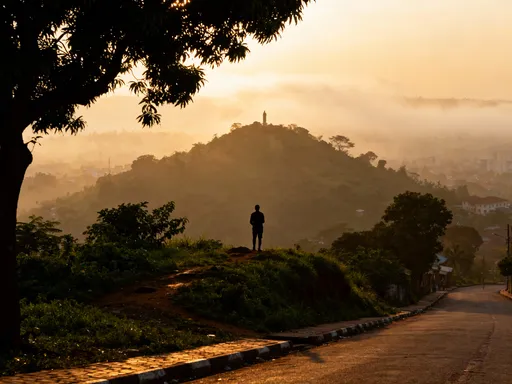
Antananarivo, often called Tana by locals, greets visitors with a landscape shaped by history and elevation. Nestled among twelve sacred hills, the city unfolds in layers—narrow alleys climbing steep inclines, weathered wooden balconies leaning over cobbled streets, and the constant hum of motorbikes weaving through traffic. At first glance, it may seem chaotic, even overwhelming. Tourists arriving from quiet rainforests or pristine beaches might wonder where culture fits in this urban rhythm. Yet, beneath the surface of daily life beats a creative pulse that defies expectations. While many come to Madagascar for lemurs and baobabs, those who linger in the capital discover something equally wild: an underground wave of artistic expression.
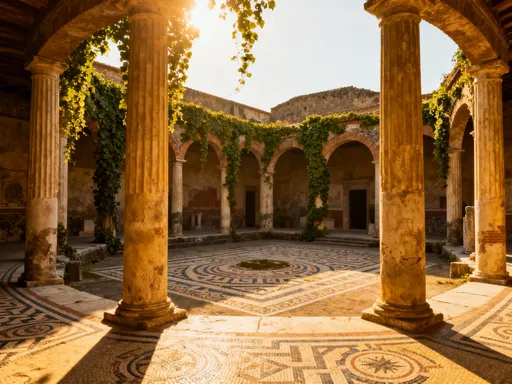
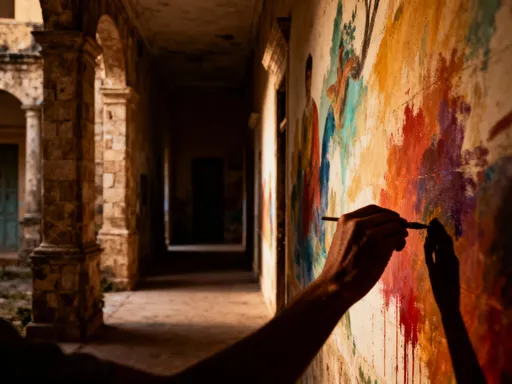
The contrast between expectation and reality is striking. Most international travelers associate Madagascar with untouched nature, and rightly so—its biodiversity is unmatched. But cities, too, are ecosystems, and Tana’s cultural landscape is undergoing a quiet renaissance. Art here does not wait behind velvet ropes or glass cases. It spills onto sidewalks, fills converted warehouses, and transforms forgotten courtyards into open-air galleries. Murals painted in bold ochres and indigos depict ancestral spirits and modern struggles side by side. Sculptures made from scrap metal stand as testaments to resilience and reinvention. The art is not separate from the city; it is woven into its fabric, offering a deeper narrative than any guidebook can capture.
This organic integration of art into everyday life speaks to a broader truth: creativity in Tana is not a luxury, but a language. It is how young Malagasy people process identity, reclaim heritage, and imagine the future. For the observant traveler, especially women who often seek meaningful connections during travel, these artistic spaces offer more than aesthetic pleasure—they provide insight into values, family, community, and personal strength. To walk through Tana’s art districts is to witness stories unfolding not in words, but in color, form, and texture.
The Rise of Urban Creativity in a Historic Capital
Antananarivo has long been the political and cultural heart of Madagascar. Once the seat of the Merina monarchy, the city carries the weight of colonial history, independence movements, and post-colonial transformation. In recent decades, a new chapter has emerged—one defined not by political upheaval, but by cultural awakening. Young artists, many educated locally and abroad, are returning to Tana with fresh perspectives and a desire to redefine what Malagasy art can be. This resurgence is not a rejection of tradition, but a dialogue with it—one that honors the past while embracing innovation.
What makes this moment unique is the way artists are using creativity as both preservation and protest. Traditional motifs—such as the lamba cloth patterns, zebu horns, and spiraling rova architecture—are reinterpreted through contemporary mediums. A painter might use acrylics to recreate ancestral tattoos, while a sculptor fuses old coins and driftwood into abstract forms. These works do more than decorate; they educate. They remind Malagasy youth of their roots while inviting global audiences to see beyond stereotypes of poverty or exoticism. Art becomes a bridge between generations, particularly powerful for families seeking to pass down cultural pride in a modern world.
Moreover, the growth of urban art reflects broader social shifts. With increased access to digital tools and international networks, Malagasy creators are no longer isolated. They participate in regional exhibitions, collaborate with African and diaspora artists, and share their work on social media platforms. Yet, despite these global connections, their work remains deeply local. Themes of environmental stewardship, community resilience, and spiritual continuity run through much of the output. For the thoughtful traveler, especially those attuned to human stories, this art offers a rare intimacy—an invitation to understand Madagascar not as a postcard, but as a living, evolving culture.
Exploring Key Art Spaces: Where Creativity Lives
One of the most accessible entry points into Tana’s art scene is the Cité du Millénaire, a cultural complex that blends exhibition space, artist residencies, and performance venues. Housed in a restored colonial-era building, the center pulses with activity. On any given afternoon, visitors might encounter a textile artist dyeing silk with natural pigments, a group of teens sketching portraits in charcoal, or a poet reciting verses in Malagasy and French. The atmosphere is informal, welcoming—there are no strict rules, no hushed tones. Art here is meant to be touched, questioned, and discussed.
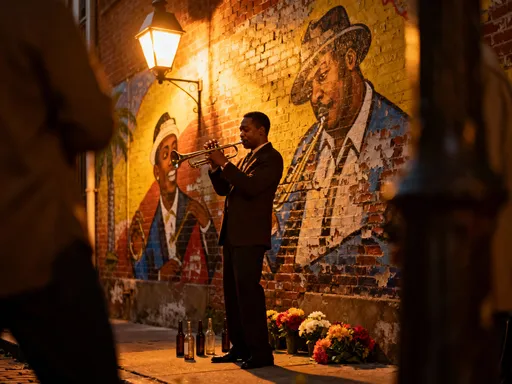
Beyond formal institutions, creativity thrives in decentralized pockets across the city. In the neighborhood of Andohalo, murals cover entire building facades, transforming once-dull walls into storytelling canvases. One striking piece shows a woman weaving a lamba, her hands glowing with golden light, symbolizing the enduring strength of Malagasy women. Nearby, in Analakely, small galleries tucked between shops display wood carvings, painted gourds, and hand-beaded jewelry. These are not mass-produced souvenirs, but original works signed by their makers. Each piece carries a name, a story, a personal touch that resonates with those who value authenticity over convenience.
Another remarkable feature is the presence of open-air sculpture gardens and community studios. In some neighborhoods, artists have turned vacant lots into shared creative zones, where metalworkers forge intricate animal figures from recycled bicycle parts, and potters shape clay into ceremonial vessels inspired by ancient traditions. These spaces are often unmarked, discovered only through word of mouth or guided walks. They embody the spirit of collective creation—a reminder that art in Tana is not about individual fame, but communal expression. For women travelers who appreciate collaboration and craftsmanship, these spaces offer a refreshing alternative to commercialized tourism.
Meet the Makers: Artists Shaping Tana’s Visual Language
At the core of Tana’s art movement are the individuals who dedicate their lives to creation. While specific names may not be widely known outside Madagascar, their influence is visible everywhere. Consider the textile artist who spends weeks hand-painting silk scarves with motifs from Malagasy proverbs. Each design tells a moral lesson—about patience, respect for elders, or the importance of harmony in family life. When visitors purchase one of these pieces, they are not just buying fabric; they are carrying home wisdom, woven into color and thread.
Then there is the sculptor who works exclusively with reclaimed wood from old homes and boats. His figures—often elongated, serene faces with closed eyes—evoke a sense of ancestral presence. He explains that his work is not about realism, but about memory. “I carve what I feel,” he says, “not what I see.” This emotional honesty is common among Tana’s artists. Their work is rarely about shock or spectacle; instead, it seeks to heal, to remember, to honor. For mothers, daughters, and sisters traveling together, these encounters can be deeply moving—invitations to reflect on their own family histories and personal journeys.
Many artists welcome visitors into their studios, offering informal tours or short workshops. A traveler might spend an afternoon learning to mix natural dyes from roots and leaves, or trying her hand at basic carving techniques under patient guidance. These experiences go beyond sightseeing; they create bonds. Language barriers melt in the presence of shared focus and mutual respect. Children watch wide-eyed as a painter layers pigments, while adults find joy in creating something with their hands. In these moments, tourism transforms into exchange—a two-way gift between guest and host.
Art as Experience: Beyond the Gallery Walls
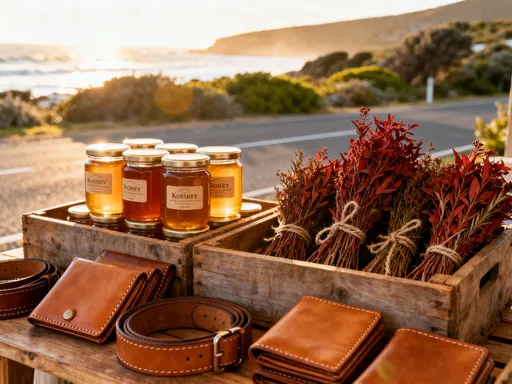
What sets Tana apart is how seamlessly art integrates into daily life. It is not confined to special events or elite circles. On market days, artisans set up stalls alongside fruit vendors and cloth sellers, offering hand-painted cards, woven baskets, and carved animal figurines. These items are not afterthoughts; they are central to the economy of creativity. Buying directly from the maker ensures that income stays within the community, supporting families and encouraging the next generation of artists.
Seasonal events further deepen the cultural immersion. During certain months, the city hosts art walks—organized evenings when galleries, studios, and even private homes open their doors to the public. Streets come alive with music, food, and live demonstrations. Children paint murals under supervision, elders share folktales that inspire current artworks, and visitors move from space to space, sipping herbal tea and engaging in conversation. These gatherings are family-friendly, safe, and deeply inclusive. They reflect a culture where art is not a luxury, but a shared inheritance.
For women travelers, particularly those in midlife seeking purposeful travel, these experiences offer something rare: a sense of belonging. There is no pressure to perform or impress. One can simply observe, listen, create, and connect. Whether watching a potter shape clay with quiet focus or joining a group in singing a traditional song, the experience fosters mindfulness and gratitude. It reminds us that beauty arises not from perfection, but from presence—the willingness to show up, pay attention, and participate in the moment.
Practical Tips for Discovering Art Authentically
To fully appreciate Tana’s art scene, timing and approach matter. The best months to visit are April through June and September through November, when temperatures are mild and rainfall is minimal. These shoulder seasons also coincide with several cultural events, increasing the chances of encountering pop-up exhibitions or artist meetups. Early mornings are ideal for exploration, as the light is soft and streets are less crowded, allowing for better photography and more relaxed interactions.
Neighborhoods like Andohalo, Analakely, and Ambohibao are known for their concentration of creative spaces. Walking is the best way to explore, but hiring a local guide—even for half a day—can greatly enhance the experience. Guides familiar with the art scene can lead visitors to hidden studios, introduce them to artists, and provide context about symbolism and technique. Many guides are artists themselves or affiliated with cultural centers, ensuring authenticity.
Transportation within the city is typically via taxi-brousse (shared minibus) or private taxi. For safety and comfort, especially for solo or female travelers, pre-arranged taxis are recommended. While French and Malagasy are the main languages, many artists and cultural workers speak some English, particularly younger ones. Simple phrases in Malagasy—such as manaova hatsaran-tarehy (making art)—can go a long way in building rapport. Respect is key: always ask permission before photographing people or artwork, and support creators by purchasing directly when possible.
It’s also important to approach these spaces with humility. This is not a performance for tourists, but a living culture. Avoid treating artists as attractions. Instead, engage with curiosity and kindness. A sincere question—“What inspired this piece?”—can lead to a meaningful conversation. Small purchases, even of modest items, make a tangible difference. They affirm the value of the artist’s work and contribute to the sustainability of the creative ecosystem.
Why This Journey Matters: Art That Transforms Travelers
Travel has the power to change us, but not all experiences leave a lasting mark. Sightseeing offers beauty, but connection offers transformation. When we meet artists in Tana—when we see the concentration in their eyes, hear the stories behind their work, and perhaps even create alongside them—we do more than observe a culture. We enter into it. We become temporary participants in a legacy of resilience, creativity, and quiet pride.
For women who have spent years nurturing families, managing households, and supporting others, this kind of travel can be especially restorative. It reminds them of their own creative potential, even if expressed in different ways—through cooking, gardening, storytelling, or simply holding a home together with grace. Seeing art made from scraps, from memory, from love, reflects back a universal truth: that beauty and meaning can emerge from ordinary materials and everyday life.
More than souvenirs, what travelers take home are impressions: the smell of wet clay, the sound of a chisel on wood, the warmth of a shared smile. These sensory memories linger longer than photographs. They become part of one’s inner landscape, shaping how we see the world and our place in it. Antananarivo’s art scene does not shout for attention. It whispers. But for those who listen, it offers a rare gift—the chance to see Madagascar not as a destination, but as a conversation. And in that exchange, both visitor and artist are changed.
So the next time you plan a journey, consider not just where you’ll go, but how you’ll connect. Seek not only the famous sights, but the hidden studios, the quiet makers, the stories told in paint and stone. Let art be your guide. Because sometimes, the most unforgettable experiences aren’t found in brochures—they’re discovered behind an unmarked door, in a city that pulses with quiet, fearless creativity.